The Collector Market: Photographers Who Build Luxury Art Brands
In the contemporary art world, photography has evolved far beyond its historical function as a medium for documentation or personal expression. Photographers are now crafting entire luxury brands around their work, turning limited-edition prints, photo books, and exclusive exhibitions into highly sought-after commodities. This transformation reflects a shift in both perception and practice: photography is no longer merely an artistic pursuit; it is a strategic, brand-driven enterprise capable of commanding premium value in collector markets. The rise of the photographer as a brand signals a merging of artistry, entrepreneurship, and cultural influence.
Historically, photography struggled to achieve the same prestige as painting or sculpture in high-end art markets. While photographers like Ansel Adams or Richard Avedon earned recognition for their technical mastery and creative vision, the medium itself was often considered reproducible and, therefore, less valuable. The contemporary collector market, however, has changed these assumptions. By emphasizing scarcity, exclusivity, and narrative, photographers have elevated their work into objects of desire. Limited-edition prints, each signed and numbered, create a sense of rarity that aligns photography with the conventions of luxury art collecting.
Beyond scarcity, branding plays a pivotal role. Photographers today often cultivate a public persona that amplifies the value of their work. This includes a carefully curated social media presence, high-profile exhibitions, and collaborations with fashion or luxury brands. The image of the photographer as an arbiter of taste—someone who embodies refinement and artistic vision—enhances the perception of their photographs as collectible assets. Collectors are not simply purchasing images; they are investing in a narrative, a vision, and a lifestyle that the photographer represents.
Furthermore, the luxury positioning of photographic art benefits from the market’s broader transformation. In an era dominated by global wealth and investment-driven acquisitions, photography is increasingly seen as a hedge against volatility, similar to contemporary painting or sculpture. Auction houses now feature photographic works prominently, with some prints achieving seven-figure prices. The collector market for photography is fueled by a convergence of aesthetics, exclusivity, and brand storytelling, making photographers not only artists but also shrewd entrepreneurs navigating the intersections of art, commerce, and culture.
Strategic Scarcity and Limited Editions
A central tenet of the luxury photography market is strategic scarcity. Unlike digital images, which can be reproduced infinitely, luxury photographic works are often issued in very limited quantities. This approach mirrors high-end fashion and jewelry, where exclusivity is a key driver of value. By limiting availability, photographers create demand and prestige simultaneously, reinforcing the perception of their work as a rare, collectible commodity. The careful management of supply is crucial to sustaining long-term brand value.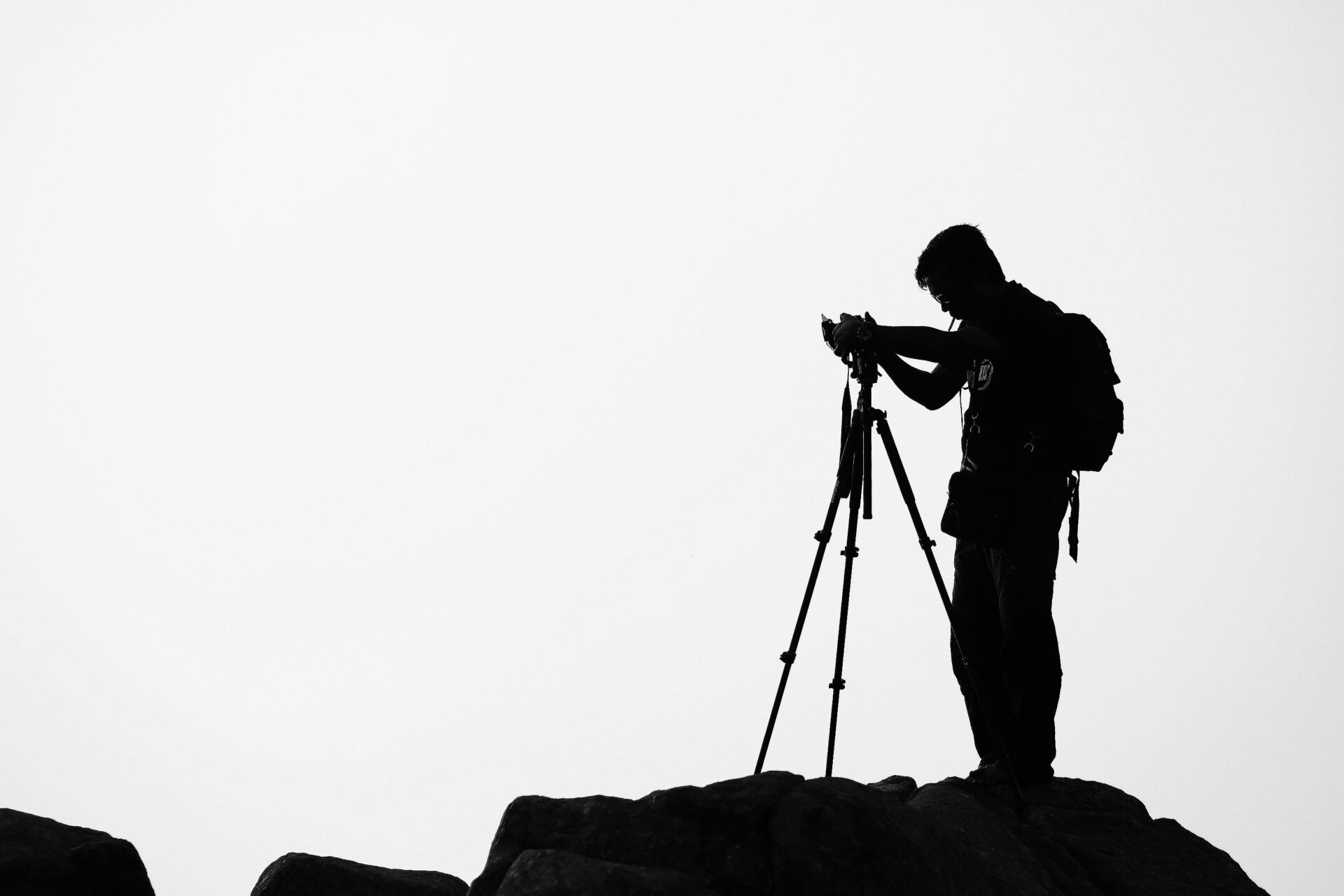
Limited editions also provide photographers with a mechanism to control both pricing and market perception. By numbering and signing each print, artists signal authenticity and rarity. Some photographers take this further, offering prints in multiple tiers—standard, artist’s proofs, and special collector editions—each with a distinct price point. This tiered strategy allows for market segmentation, ensuring accessibility for emerging collectors while maintaining elite status for serious investors. The narrative around these editions often emphasizes craftsmanship, archival quality, and meticulous production methods, further reinforcing the luxury positioning of the work.
Exclusivity is amplified through partnerships with galleries, private dealers, and auction houses. High-profile exhibitions create buzz, generating both cultural and market credibility. Certain photographers even tie scarcity to experience, offering private viewings or bespoke presentations for top-tier collectors. In this sense, the photograph is more than an image—it becomes a symbol of privilege, an object that signals taste, discernment, and cultural capital. Strategic scarcity is not just a marketing tactic; it is a fundamental tool in building a sustainable, high-value art brand.
The impact of limited editions extends beyond immediate sales. It shapes secondary market activity, which is critical for establishing a photographer’s long-term reputation. Collectors who acquire rare prints can later resell them, sometimes at significant appreciation, creating a cycle of demand that reinforces the perceived value of the brand. Photographers who understand this dynamic carefully calibrate edition sizes, pricing, and distribution, blending artistic integrity with strategic market insight. The result is a luxury art ecosystem where photography functions not just as visual expression but as a high-stakes, collectible asset.
Personal Branding and Cultural Influence
The modern luxury photography market is inseparable from the personal branding of the artist. Photographers who build successful art brands do so by cultivating a distinctive voice and persona that resonates culturally and socially. This extends beyond the images themselves to include lifestyle, aesthetics, and media presence. By carefully managing how they are perceived, photographers elevate themselves from practitioners to icons, creating a feedback loop in which the brand enhances the work, and the work reinforces the brand.
Social media plays a critical role in this process. Platforms such as Instagram allow photographers to present curated glimpses into their creative process, personal life, and professional collaborations. The narrative is as important as the art itself. Photographers who succeed in the luxury space often craft a persona that exudes sophistication, creativity, and exclusivity, aligning their image with the values and aspirations of high-end collectors. The persona becomes a lens through which collectors engage with the work, making the artist as much a part of the collectible proposition as the photograph itself.
Collaborations with fashion houses, luxury brands, and cultural institutions further reinforce this personal branding. When a photographer’s work is featured in a campaign by a top-tier fashion label, it not only expands visibility but also associates the artist with luxury and taste. Similarly, curated exhibitions at prestigious galleries or biennials provide cultural validation, signaling that the photographer is not just commercially successful but also critically significant. The intersection of artistic vision and brand strategy ensures that collectors perceive the work as both culturally relevant and financially valuable.
The cultivation of cultural influence extends to storytelling. Photographers often frame their work within narratives that engage collectors intellectually and emotionally. These narratives can relate to social issues, aesthetic movements, or personal journeys. By embedding meaning into the work, photographers create a sense of connection and investment for collectors, transforming acquisitions into experiences that transcend mere decoration. In essence, luxury photography brands thrive at the intersection of art, identity, and aspiration, where personal branding amplifies the perception of value.
Conclusion
The rise of photographers as builders of luxury art brands represents one of the most significant shifts in the contemporary art market. By combining artistic vision with strategic branding, limited editions, and cultural influence, photographers have transformed a medium once considered reproducible and modest into a highly valuable collectible asset. Scarcity, personal branding, and narrative are now as critical as composition and technique, signaling that photography’s value lies as much in perception as in pixels.
The role of galleries, curators, and technological innovation further underscores the complexity of the collector market. Exhibitions provide legitimacy, curated narratives enhance desirability, and digital tools expand reach while ensuring authenticity. Together, these elements create an ecosystem in which photography operates not merely as visual art but as luxury experience and investment vehicle. Collectors today are not purchasing images alone—they are buying into prestige, cultural capital, and the personal brand of the photographer.
This evolution has profound implications for the future of art collecting. Photography’s transformation into a luxury category demonstrates that artistic mediums can adapt and thrive within new economic and cultural contexts. It also highlights the increasingly entrepreneurial nature of contemporary artists, who must navigate markets, technology, and branding alongside their creative practice. The most successful photographers of the 21st century are those who understand that value emerges from the intersection of artistry, exclusivity, and narrative.
Ultimately, the luxury photography market exemplifies how art and commerce can intersect without sacrificing creativity. By crafting high-quality, limited-edition works and positioning themselves strategically within cultural and technological networks, photographers are redefining the collector experience. They are not just making pictures—they are building legacies, shaping markets, and setting the standard for what it means to succeed in the global luxury art world. The collector market for photography is thriving, and its continued evolution promises exciting opportunities for artists, collectors, and the broader cultural landscape. In a world where art, branding, and technology converge, photographers who master these elements will continue to define the future of luxury and artistic value.