From Film Grain to Digital Noise: The Aesthetic Debate That Still Divides Photographers
A Tale of Two Eras
Photography has always been a marriage between art and technology. From the first daguerreotypes of the 19th century to the multi-megapixel sensors of today’s mirrorless cameras, each generation of photographers has sought to balance precision with expression. Yet one debate refuses to fade: the aesthetic tension between the grain of film and the noise of digital sensors.
While both film grain and digital noise result from technological limitations, their perception could not be more different. Grain, once a byproduct of chemical processes, has become a beloved texture — an artistic fingerprint of analog authenticity. Digital noise, born from electronic interference, is often seen as an imperfection to be minimized or erased. But in a world increasingly dominated by digital tools, many are beginning to reconsider whether the harsh distinction between these two visual signatures still makes sense.
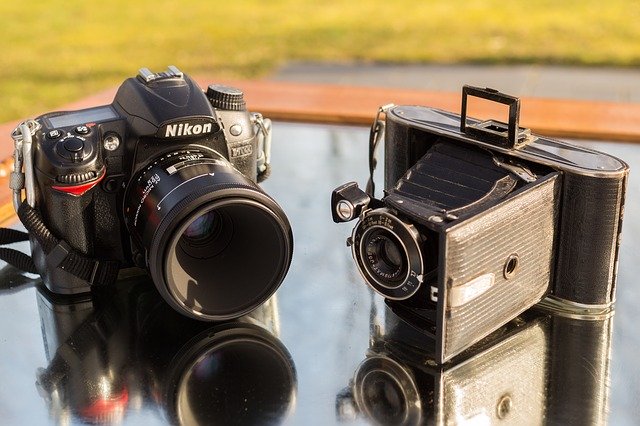
The Beauty of Imperfection: Understanding Film Grain
Film grain is the visible manifestation of silver halide crystals embedded in photographic film. When light hits these crystals, it triggers a chemical reaction that forms the image. The size and distribution of the crystals vary depending on the film’s sensitivity (ISO), with higher-speed films producing more noticeable grain.
But what was once a technical compromise soon became a hallmark of style. Grain lent film photographs a tangible quality, a softness that conveyed depth and emotion. The slight irregularities in texture gave images a human touch — something that even today’s most sophisticated sensors struggle to emulate. In portraiture, grain softened skin tones and added warmth; in street photography, it brought grit and atmosphere; in landscapes, it created a dreamlike haze.
Legendary photographers like Robert Frank and Daido Moriyama harnessed grain not as a flaw but as part of their artistic vocabulary. In their hands, grain spoke to the chaos and vitality of life. It conveyed movement, tension, and mood in a way that clinical sharpness could not. To many analog purists, grain became not just an aesthetic choice but a philosophy — a belief that beauty lies in imperfection.
The Rise of Digital and the Battle Against Noise
When digital cameras emerged in the late 20th century, they promised precision, control, and speed. Photographers no longer had to wait for film to be developed; images could be reviewed instantly. Yet, with these advantages came a new enemy: noise.
Digital noise occurs when electronic components in a camera sensor amplify weak signals in low light, resulting in random specks of color or luminance that distort the image. Early digital sensors struggled with this issue, producing blotchy and unnatural results at higher ISO settings.
Unlike film grain, which appeared organic and textural, digital noise was erratic and harsh. It disrupted tonal gradations and flattened color accuracy. For many, it lacked the aesthetic charm of grain — it was a distraction, not an enhancement.
As a result, the first two decades of digital photography were defined by the war against noise. Camera manufacturers invested heavily in sensor technology, image processors, and noise reduction algorithms. The marketing emphasis on “clean ISO performance” became a selling point, with photographers proudly boasting about their cameras’ ability to shoot in near-darkness without visible noise.
When Perfection Becomes Sterile
Ironically, as technology perfected the elimination of noise, something else was lost. The texture, mood, and character that defined film began to vanish. Digital images became so clean, so precise, that they sometimes felt detached from reality.
The debate then shifted from technical to philosophical: did the pursuit of perfection come at the cost of soul?
Some photographers began to argue that the clinical sharpness of digital imagery created a barrier between viewer and subject. It mirrored a broader cultural obsession with flawlessness — in skin retouching, product photography, even social media aesthetics. As noise reduction software grew more sophisticated, it often smoothed away the very textures that made an image feel alive.
In response, a counter-movement emerged. Photographers and editors started reintroducing film grain artificially through software like Adobe Lightroom or analog emulation programs such as VSCO and DxO FilmPack. This digital nostalgia represented more than a retro trend; it was a rebellion against sterility, a yearning for imperfection in a hyper-polished visual world.

The Psychology of Texture
At the heart of the film grain vs. digital noise debate lies a deeper question about human perception. Why do we find one form of imperfection beautiful and the other unpleasant?
The answer may lie in our relationship to analog processes. Film grain connects to physicality — a record of light reacting with matter. It’s tactile, rooted in chemistry and time. Each film stock has its own character, giving photographers a sense of individuality and craftsmanship.
Digital noise, on the other hand, feels artificial. It’s random, computational, and detached from material reality. Even though both distort an image, our brains interpret them differently because of their associations. Grain evokes nostalgia, artistry, and intentionality; noise suggests error, cheapness, and technological limits.
This psychological divide reflects a broader truth about aesthetics: beauty often depends not on the objective quality of an image but on the story we tell about it. Film grain reminds us of the human touch in photography — the imperfections of process that mirror our own imperfections as creators.
Crossing the Divide: The New Aesthetic Hybrid
As the digital era matured, the boundary between film and digital aesthetics began to blur. Many contemporary photographers now move fluidly between the two worlds, blending analog texture with digital flexibility.
Cinematographers, too, have embraced this hybrid approach. Films like Joker (2019) and Oppenheimer (2023) used analog formats to capture emotional depth, while others simulate the same look digitally. In still photography, artists incorporate grain overlays or shoot with vintage lenses on modern bodies to recreate the imperfect glow of film.
Even camera manufacturers have taken note. Fujifilm, for instance, has built its brand around “film simulations” — digital filters designed to mimic classic emulsions like Provia and Velvia. Leica’s monochrome sensors emulate the tonality of black-and-white film, while apps such as RNI and Dehancer offer advanced grain modeling that captures not just texture but also the dynamic response of film to light.
The Cultural Weight of Nostalgia
The enduring allure of film grain also reflects a broader cultural nostalgia for the analog age. In a world of instant sharing and infinite editing, film represents patience, mystery, and permanence. Every frame matters because it cannot be easily redone.
For younger generations raised on smartphones, shooting film has become an act of resistance — a way to slow down and reconnect with the tangible aspects of creation. The grainy look of film has become a symbol of authenticity, especially in an age of digital manipulation. It’s no coincidence that social media filters mimic the look of expired film stocks or dust-speckled negatives.
Digital noise, meanwhile, has yet to acquire this romanticism. But as digital photography continues to age, it’s possible that one day, even noise will be viewed with affection — a marker of a particular era’s limitations, much like the scratches on vinyl records or the flicker of early television screens.

Beyond the Binary
To frame the discussion as “film grain good, digital noise bad” oversimplifies the matter. Both phenomena reveal something essential about the medium’s evolution. Grain and noise remind us that photography is not purely about replication but interpretation — each image a negotiation between light, time, and technology.
The aesthetic value of imperfection is not tied to chemistry or circuitry but to emotion. Whether an image was captured on Tri-X film or a 45-megapixel sensor, what matters is whether its texture feels honest to its message. A photo of urban decay might benefit from digital noise’s harshness, while a portrait could find poetry in the softness of grain.
The Future of Texture
As computational photography advances, the concept of grain and noise continues to evolve. Smartphones now use artificial intelligence to denoise images while simultaneously adding texture back in to maintain a “natural” look. Cameras merge multiple exposures to reduce noise, and AI tools can now synthesize realistic film grain with mathematical precision.
In a sense, technology has come full circle: after decades spent trying to eliminate noise, engineers now simulate it. What was once a flaw has become an aesthetic feature — coded, controlled, and commodified.
Conclusion: The Texture of Truth
The debate between film grain and digital noise will likely never be settled, and perhaps it shouldn’t be. It’s a conversation that keeps photography grounded in its dual identity as both art and science.
Grain whispers of history, craft, and emotion — a tactile reminder of photography’s human roots. Noise speaks of innovation, experimentation, and the restless drive to push boundaries. Both reveal the photographer’s struggle to reconcile clarity with feeling, precision with poetry.
In the end, the choice between film and digital, grain and noise, is not about which is superior but which better serves the story we wish to tell. Because whether captured on a strip of celluloid or a silicon sensor, every photograph carries the same eternal truth: perfection is overrated — it’s the flaws that make it beautiful.