Capturing Motion and Stillness: Techniques for Dynamic and Atmospheric Photography
The Dialogue Between Movement and Silence
Photography is often described as the art of freezing time. Yet some of the most powerful images are not simply about stopping a moment; they are about revealing the tension between motion and stillness. A great photograph can suggest speed in a frozen fraction of a second, or evoke the deep calm of a scene that feels almost outside of time. This balance between movement and quiet is what gives images emotional depth and narrative power. Learning how to capture both motion and stillness allows photographers to move beyond technically correct images toward photographs that truly speak.
The world is never perfectly static. Even in seemingly still environments, subtle movement is taking place: light shifts, leaves tremble, shadows stretch, and people breathe. Motion and stillness exist together, and the photographer’s task is to decide which to emphasize. Sometimes the goal is to reveal the dynamic energy in a scene; other times, it is to preserve a moment of silence and reflection. The techniques used to approach each of these states differ, yet they are connected by a common understanding of timing, perception, and intention.
Understanding Motion in Photography
Motion in photography can be explicit or implied. Explicit motion shows visible blur or streaking, making movement obvious within the frame. Implied motion, on the other hand, is suggested through the subject’s posture, position, or context, even if everything in the image is sharp. Both approaches can be equally effective when used deliberately.
Shutter speed plays a crucial role in how motion is captured. A fast shutter speed freezes movement, trapping a runner mid-stride or a bird mid-flight. This technique emphasizes detail and precision, turning fleeting action into something sculptural. In contrast, a slow shutter speed allows motion to paint across the frame. Flowing water becomes silk-like, car headlights transform into glowing trails, and dancers dissolve into abstract forms. The decision to freeze or blur motion is not merely technical; it is a creative choice that determines how the viewer will experience time in the image.
The Power of Stillness
Stillness is not simply the absence of movement; it is a presence in its own right. A still image can feel heavy with emotion, rich in detail, and full of meaning. Stillness invites the viewer to pause, to observe, and to reflect. In a world saturated with rapid visual information, a still photograph can be deeply striking.
Capturing stillness requires sensitivity to the environment and an awareness of the subject’s subtle qualities. A quiet street at dawn, an empty chair by a window, or a calm lake at sunset can become powerful visual statements. Stillness often relies on composition, light, and mood rather than action. A carefully framed scene with balanced elements can evoke tranquility or loneliness, peace or anticipation.
Using Camera Techniques to Shape Atmosphere
Atmosphere is what gives a photograph its emotional ripple. It is the feeling that lingers after the viewer looks away. Both motion and stillness can contribute to atmosphere when shaped thoughtfully through camera techniques.
Aperture influences not only exposure but also depth of field. A wide aperture can isolate a subject and blur the background, drawing attention to a specific point and creating a dreamlike quality. This can be extremely effective for portraits or details within a larger scene. A narrow aperture keeps more of the frame in focus, which can emphasize the calm, expansive nature of landscapes or architectural scenes.
ISO settings also affect mood. Low ISO produces cleaner images with fine detail and minimal grain, contributing to a crisp and serene feel. Higher ISO introduces grain, which can add a sense of rawness, urgency, or nostalgia. Grain is often used intentionally in atmospheric photography to evoke a cinematic or emotional tone.
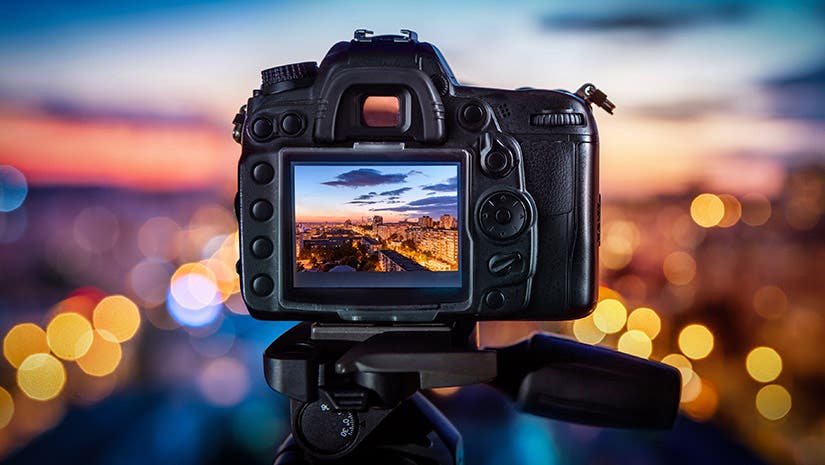
Long exposures offer a bridge between motion and stillness. By using a tripod and a very slow shutter speed, the photographer can keep stationary elements sharp while allowing moving elements to blur. This technique is particularly effective in urban environments at night, where buildings remain solid and sharp against the flowing lines of traffic and glowing city lights. The result is an image that contains both stability and energy, calm and movement, in a single frame.

Composition as an Emotional Language
Composition is the silent guide that leads the viewer’s eye through a photograph. It determines what is seen first, how long the viewer lingers, and where their gaze eventually settles. When working with motion and stillness, composition becomes even more powerful.
Leading lines draw the eye through a moving scene, emphasizing direction and speed. Diagonal lines often suggest dynamic energy, while horizontal lines convey stability and calm. Vertical lines can represent strength or isolation, depending on the context. By understanding how shapes and lines interact, the photographer can enhance the sense of motion or reinforce stillness within the image.
Negative space is another essential tool. An image with ample empty space around a central subject can evoke quiet, solitude, or contemplation. In contrast, a crowded frame full of overlapping elements can communicate chaos, movement, and intensity. Both approaches are valid, but they should be chosen intentionally to support the emotional message of the photograph.
The Role of Light and Shadow
Light is the language of photography, and it plays a crucial role in conveying both motion and stillness. Harsh, directional light can emphasize texture and create dramatic contrasts, which are often suited to energetic, dynamic scenes. Soft, diffused light conveys gentleness and calm, ideal for still, contemplative images.
The time of day significantly affects the emotional tone of a photograph. Golden hour light adds warmth and softness, making movement appear graceful and stillness feel comforting. Blue hour, on the other hand, introduces cooler tones and a quiet melancholy. Night photography opens the door to long exposures and dramatic light trails, blending motion and atmosphere into a single, mesmerizing image.
Shadows can suggest hidden motion or reinforce stillness. A shadow stretching across an empty floor can be more powerful than the object casting it. Moving shadows captured with a slow shutter speed can create abstract patterns that add mystery and depth. Understanding how to see and use shadows allows the photographer to enhance the emotional impact of an image without adding more elements to the frame.
Capturing Emotion Through Human Subjects
People are often at the center of motion and stillness in photography. A portrait can be profoundly still, capturing a quiet expression filled with unspoken thoughts. Meanwhile, a candid street photograph can be full of life, movement, and spontaneous energy. Knowing when to intervene and when to observe is key to success.
Still portraits benefit from a calm connection between photographer and subject. When the subject feels comfortable and relaxed, their true nature emerges. The smallest shift in expression or posture can tell a powerful story. By paying attention to body language and emotion, the photographer can capture a moment that feels timeless.
In dynamic photography, anticipation is essential. A photographer must learn to read situations, predicting when a decisive moment is about to occur. This skill develops with practice and awareness. Once mastered, it allows the photographer to capture images where motion and emotion align perfectly, creating a strong narrative within a single frame.

Finding Balance in Your Creative Vision
The balance between motion and stillness is not only technical but also philosophical. It reflects the rhythm of life itself. There are times for action, for change, for movement forward. There are also times for pause, reflection, and stillness. Photography becomes a way to explore this rhythm visually.
A photographer who learns to appreciate stillness will find beauty in quiet corners of the world. A photographer who embraces motion will capture the pulse of life in all its intensity. The most compelling artists often master both, moving seamlessly between the two depending on the mood, message, and inspiration of the moment.
It is important to experiment. Changing one setting, altering a perspective, or staying a few minutes longer in one place can transform a scene entirely. Growth in photography happens through curiosity and a willingness to see beyond the obvious.
The Lasting Impact of Motion and Stillness
Photographs that successfully capture motion and stillness leave a lasting impression. They allow viewers to feel time in a unique way, either by witnessing a frozen split-second of intense life or by being drawn into a deep moment of silence. These images do more than document reality; they interpret it.
By understanding your camera, observing the world carefully, and developing your emotional awareness, you can create photographs that resonate on a deeper level. Motion and stillness are not opposing forces. In photography, they work together to tell stories about change, permanence, presence, and memory.
In the end, to capture motion and stillness is to capture the essence of existence itself. Photography becomes not merely a visual medium but a philosophical one, reminding us that life is made of both fleeting moments and timeless pauses, and that beauty lives in the space between the two.