Wildlife Photography: Patience, Danger, and the Pursuit of the Perfect Shot
The Call of the Wild
There is something almost primal about wildlife photography. To step into another creature’s world, to become a quiet observer in forests, deserts, wetlands, mountains, or frozen tundra, is to strip life back to its most essential interactions. Wildlife photography isn’t only about beautiful images; it is about timing, awareness, and a respect for nature that borders on reverence. At its very core, this genre speaks of the thin line between human presence and the untamed rhythm of the animal kingdom. Every successful wildlife photograph represents a silent agreement between photographer and subject, a rare alignment of circumstances that occurs for just a fraction of a second.
The allure of wildlife photography lies in the mystery of unpredictability. Unlike studio or portrait photography, there is no guaranteed result. Animals do not pose. They do not repeat actions at the photographer’s request. The photographer must instead adapt, anticipate, and surrender control over the scene. This challenge, rather than discouraging artists, draws them deeper into the heart of the wilderness.
The Art of Waiting
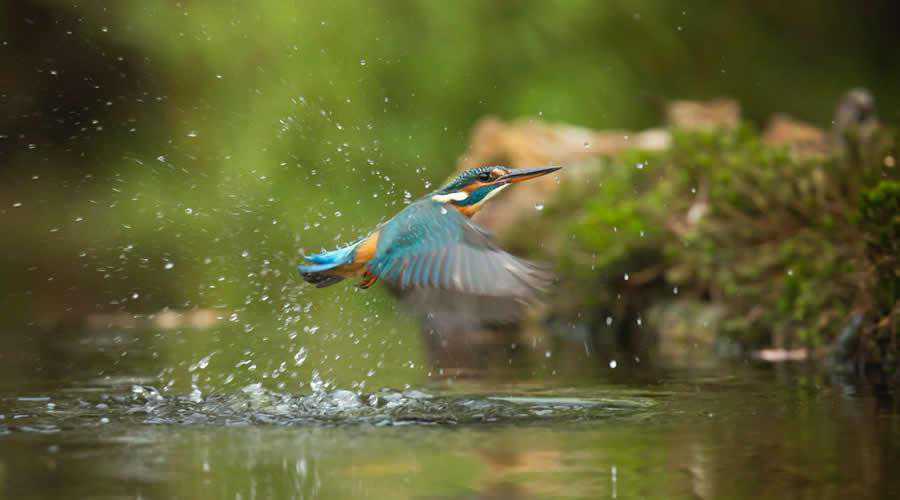
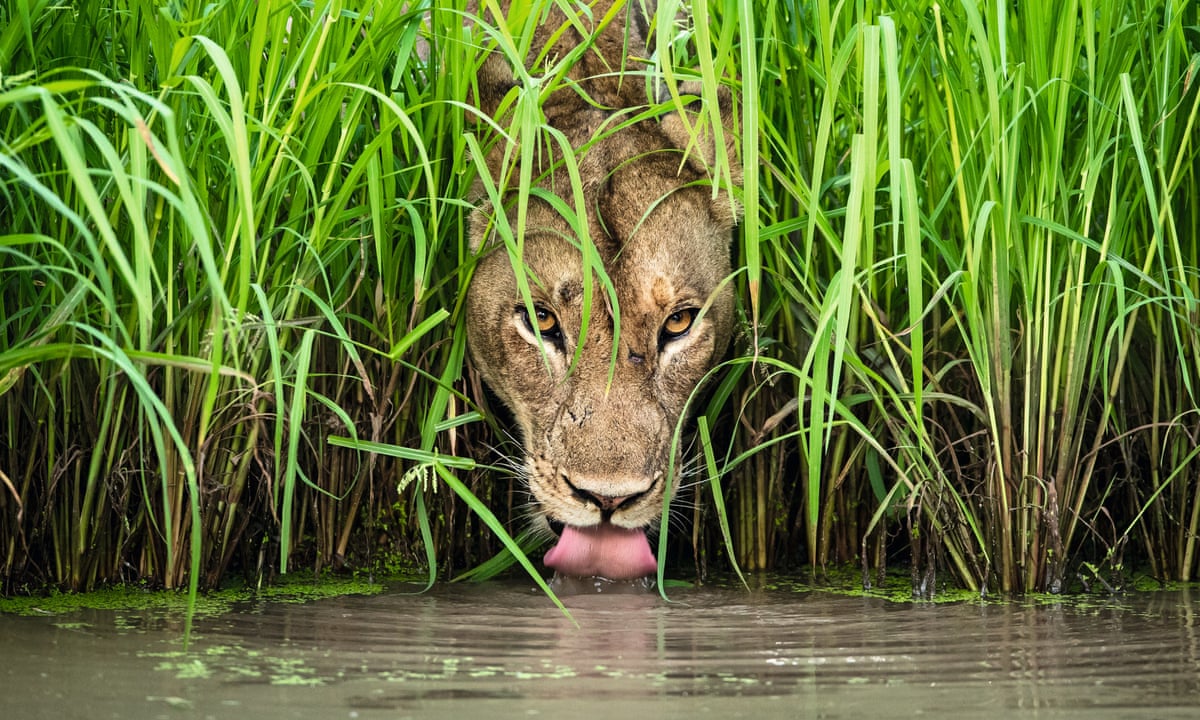
Patience is the invisible backbone of wildlife photography. A single image can take days, weeks, or even months to capture. A photographer may set up in a particular location before sunrise, hidden in a blind or camouflaged among vegetation, waiting for a specific bird to perch on a branch or for a big cat to emerge from tall grass. Hours pass in silence, broken only by the rustling leaves, distant calls, or the simple rhythm of breathing.
This prolonged stillness teaches the photographer a new relationship with time. In a world built on speed and instant results, wildlife photography demands the opposite. The most memorable photographs are often the result of unwavering focus during long periods of inactivity. What seems like “waiting” is actually a deep process of observation: learning patterns, understanding behavior, and noticing the environment’s smallest shifts. The patient photographer begins to understand when an animal might appear, how it moves, and where the light will fall at different moments of the day.
Waiting is not passive. It is a form of discipline—a test of dedication and commitment. A single twitch of movement can signal the beginning of a story about to unfold, and only the patient eye is ready to capture it.
Entering Another World
Wildlife photography requires immersion. The photographer becomes a guest in an unfamiliar land, stepping into ecosystems shaped by natural laws that operate far beyond human control. Each environment presents its own unique challenges. Dense rainforests test endurance and equipment reliability as humidity creeps into cameras. Frozen landscapes challenge both body and battery life. Dry, distant savannahs demand meticulous planning for survival and navigation.
To work in such environments is to respect them. The best wildlife photographers understand that they are visitors, not conquerors. They tread lightly, aiming not to disturb the balance of the land. They move with slow, deliberate intention, avoiding unnecessary disruption to animals and their habitats. The result is a photograph that feels honest, as though it truly belongs to the wild world it represents.
Being in nature for long stretches of time also changes the photographer personally. The senses sharpen. The mind becomes quieter. The boundaries between artist and environment blur. The forest is no longer background; it is a living presence.
The Element of Danger
Alongside beauty and stillness, wildlife photography carries an undeniable sense of danger. Animals, no matter how majestic, are not actors in a performance. They are guided by instinct, survival, and protection of their space and offspring. A photographer who forgets this places themselves at great risk.
Close encounters with predators, venomous creatures, or startled animals can escalate in seconds. Even herbivores can become extremely aggressive when threatened. Dangerous terrain compounds this risk, as photographers may find themselves navigating unstable cliffs, deep waters, or harsh weather. Preparation, knowledge, and caution are not optional in this field; they are essential for survival.
Yet it is not only physical danger that defines this experience. There is also the emotional intensity of being so close to raw life. To hear a lion in the distance or lock eyes with a wolf is to confront the reality of the natural order. These experiences remind photographers that they are part of a much larger balance—a vulnerable participant, not a dominant observer.
The awareness of danger heightens perception. It sharpens reaction time and forces the photographer to respect boundaries. Ironically, it may be the presence of risk that makes each successful photograph feel even more extraordinary.
The Pursuit of the Perfect Moment
The “perfect shot” in wildlife photography is not defined simply by technical perfection. It is a moment filled with emotion, narrative, and presence. It may capture a bird in mid-flight, wings extended like a living sculpture. It may reveal a mother caring for her young. It may freeze the exact second a predator leaps, eyes locked on its goal.
To achieve this, the photographer must master both art and science. Understanding light, composition, and depth of field is essential, but so is an intimate knowledge of animal behavior. Anticipation is the bridge between the known and the unknown. The photographer reads the environment the way a musician reads music, sensing when a climax is about to occur.
Even when everything seems perfect—the framing, the lighting, and the timing—many shots remain unplanned miracles. This unpredictability keeps wildlife photography thrilling. It ensures that every journey into nature holds the potential for discovery.
Many images may never be taken. The moment might pass too quickly, the lighting might shift, or the animal might choose a different path. Yet those “missed” moments are part of the story. They shape experience, deepen understanding, and give greater meaning to the rare successes.
Ethics Above All
Responsible wildlife photography is guided by an invisible but powerful code of ethics. No image, no matter how rare or valuable, is worth harming an animal or altering its natural behavior. Disturbing nests, drawing attention to vulnerable locations, or provoking animals for dramatic images undermines the purpose of this art.
Ethical photographers maintain distance, use long lenses, and prioritize the animal’s comfort over their own ambition. They respect migration periods, breeding seasons, and the boundaries that nature sets. This respect is visible in the photographs themselves, which feel authentic rather than forced.
Modern wildlife photography carries increased responsibility, as environmental challenges threaten countless species and ecosystems. Images can serve as tools of awareness and protection. The photograph becomes more than art; it becomes an argument for conservation.
The Emotional Impact
Wildlife images have a powerful ability to touch the human heart. They speak a universal language that crosses barriers of culture and geography. A single photo of a snow leopard on a cliff or a turtle crossing a beach can awaken empathy for creatures most people will never encounter in person.
For the photographer, each image is layered with memory. It holds the chill of the morning air, the ache of tired muscles, and the silence that preceded the shutter’s click. It is a personal record of connection, proof of shared existence, even if only for a moment.
This emotional connection fuels the photographer’s persistence. It is what keeps them returning to the wild despite discomfort and risk. The photograph becomes a bridge linking two worlds that rarely meet so closely: the human and the untamed.
Technology and Instinct
Modern advancements in camera technology have opened new possibilities in wildlife photography. Faster autofocus, silent shutters, and enhanced low-light capabilities allow photographers to capture moments that were once impossible. However, technology alone cannot create an unforgettable image. It is the photographer’s instinct, intuition, and understanding that ultimately determine success.
In many ways, the photographer must become part animal themselves—listening, watching, reacting with awareness and restraint. Equipment can assist, but it cannot replace the quiet confidence of someone who has learned to read a landscape and feel its pace.
The most remarkable photographs often result from a balance between human innovation and ancient instinct. They show that even in an age dominated by digital tools, nature still demands humility and presence.

A Lifelong Journey
Wildlife photography is not simply a hobby or profession; it is a lifelong journey into the heart of the living world. Each trip into the wilderness reveals more than just animals; it reveals the photographer’s own endurance, limitations, and growth.
With every sunrise witnessed in solitude and every breathtaking moment captured, the photographer is reminded of nature’s power and fragility. The pursuit of the perfect shot continues, not as an obsession with perfection, but as a desire to honor the wild in its purest form.
In the end, wildlife photography is about connection. It is about seeing and being seen, even for a heartbeat, within a world that existed long before humans and will, if protected, continue long after.