Light, Shadow, and Emotion: Understanding the Language of Visual Storytelling
Visual storytelling is a language without words, yet it speaks directly to our emotions. From the flicker of a candle in a dimly lit room to the blinding brilliance of a sunset on a cinematic horizon, light and shadow have long been the primary instruments through which visual artists communicate mood, tension, and narrative depth. In photography, film, painting, and digital media, understanding how light interacts with subjects—and how shadows carve out meaning—allows storytellers to craft immersive emotional experiences. This exploration delves into the subtleties of light and shadow, revealing their profound impact on visual storytelling and emotional resonance.
The Psychology of Light
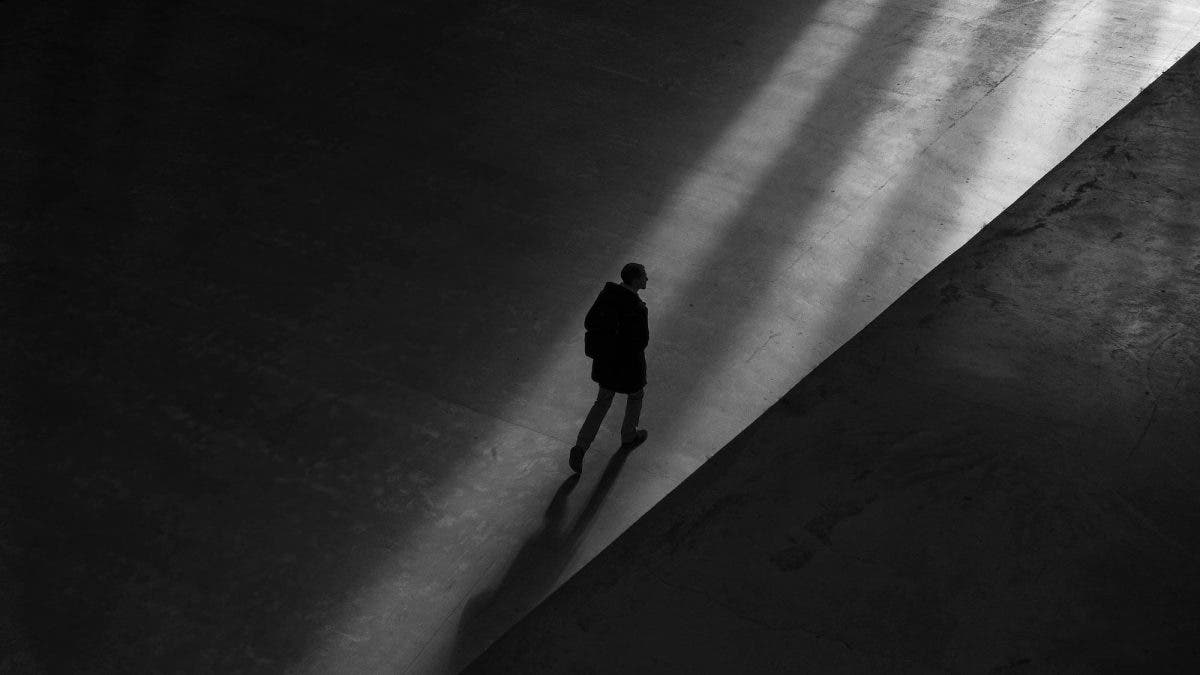
Light is more than a physical phenomenon; it is a psychological tool that guides perception and evokes feeling. Bright, high-key lighting often conveys clarity, optimism, and openness. In films like La La Land, sunlight and soft glows amplify the romantic idealism of the narrative. Conversely, low-key lighting, characterized by strong contrasts and deep shadows, can instill tension, mystery, or melancholy, as seen in classics such as Blade Runner or The Godfather.
Human perception of light is instinctive. Evolutionarily, we associate brightness with safety and warmth, while darkness triggers alertness and caution. Filmmakers, photographers, and painters leverage these primal associations, subtly guiding audiences’ emotional responses through illumination. Light, in essence, is a tool of suggestion; it directs where the viewer’s attention should go while shaping the emotional tone of the scene.
Shadows: The Unseen Language
While light illuminates, shadows define. Shadows are not merely absences of light—they are carriers of depth, texture, and narrative nuance. In visual storytelling, shadows can imply threat, concealment, or introspection. Film noir, the cinematic style of the 1940s and 1950s, famously used shadows to externalize characters’ internal struggles. The interplay of dark alleys, angled lamplight, and silhouetted figures created tension and psychological complexity without a single line of dialogue.
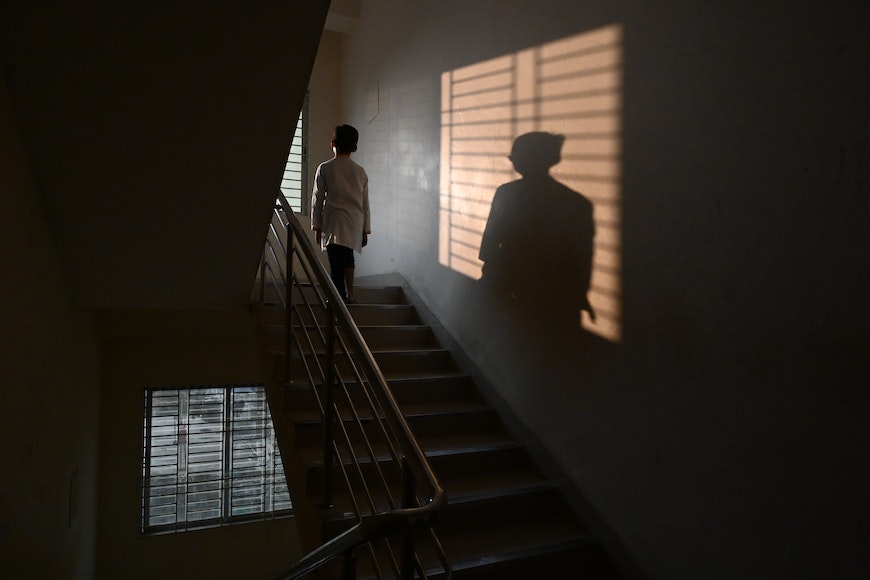
In photography, shadows can transform ordinary subjects into extraordinary compositions. A shadow stretching across a wall can evoke loneliness or isolation. Patterns created by window blinds or trees can suggest confinement, secrecy, or fragmented thoughts. Shadows invite viewers to read between the lines, to sense what lies beneath the surface, and to engage actively with the story being told.
The Emotional Palette of Color and Light
Color and light are inseparable in visual storytelling. Different hues and intensities of light evoke distinct emotions, allowing storytellers to convey subtle psychological undertones. Warm tones—reds, oranges, and golds—tend to evoke feelings of passion, comfort, or nostalgia. Cool tones—blues, greens, and purples—often communicate calmness, detachment, or melancholy.
Cinematographers often use color grading to manipulate light and evoke emotional responses. In The Grand Budapest Hotel, director Wes Anderson and cinematographer Robert Yeoman employ pastel hues and high-key lighting to create whimsical, almost surreal atmospheres. In contrast, films like Se7en rely on desaturated, cold lighting to elicit unease and tension. The manipulation of color temperature, intensity, and shadow interplay becomes a visual vocabulary that communicates emotion without verbal explanation.
Composition and the Dance of Light and Shadow
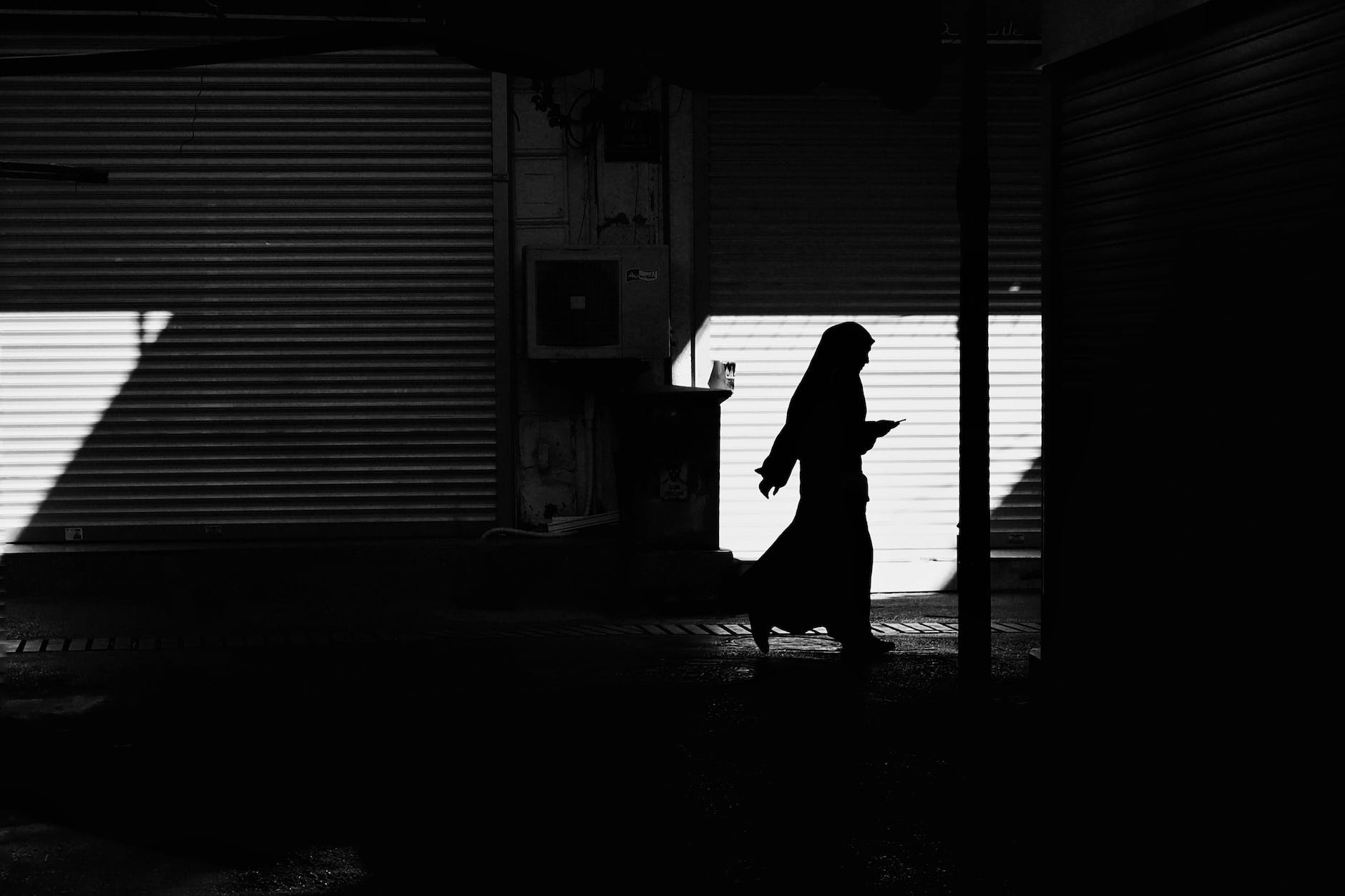
Light and shadow are inseparable from composition. The placement of a subject within the frame and the way light falls upon it dictate how a story is read. Leading lines, vanishing points, and framing elements interact with light to guide the viewer’s eye and emphasize emotional beats. In portrait photography, a face illuminated from one side while the other is shrouded in shadow can reveal inner conflict or complexity. In landscape photography, the interplay of sunlight and shadow can create a sense of grandeur or isolation.
Mastering this interplay requires an understanding of contrast and balance. Too much light may flatten a scene, stripping it of emotional weight. Too much shadow may obscure crucial narrative details, leaving the audience confused. The key lies in intentionality—deciding what to reveal and what to conceal, and using light and shadow to shape the rhythm and pacing of the visual story.
Lighting as Symbolism
Beyond emotion and mood, light carries symbolic meaning. Light often represents knowledge, hope, or divinity, while darkness symbolizes ignorance, danger, or moral ambiguity. In art history, Caravaggio’s mastery of chiaroscuro—an extreme contrast between light and dark—was not merely a technical feat but a narrative device. By illuminating certain figures while plunging others into shadow, he guided viewers’ attention and suggested moral or spiritual hierarchies.
Modern visual storytelling continues this symbolic use of light. In horror films, a single flickering light may signify impending danger. In romance, the soft glow of sunset can symbolize fleeting beauty and intimacy. Even abstract or experimental visual media use light as metaphor, allowing audiences to interpret meaning on a personal and emotional level.
Emotional Storytelling in Photography
Photography, more than most visual mediums, distills the language of light and shadow into a single frame. A photograph captures a precise moment, freezing it in time, yet conveying layers of emotion and narrative potential. Street photography often relies on natural light and the shadows cast by urban architecture to tell stories about human experience—joy, struggle, alienation, or connection. Portrait photographers use controlled lighting to emphasize mood, reveal personality, or dramatize emotion.
The power of photography lies in its immediacy. Unlike film, which unfolds over time, a photograph communicates instantly. The interplay of light and shadow is the storyteller’s pen; the composition is the sentence structure. Together, they create a visual language that can be universally understood, transcending cultural and linguistic barriers.
Cinematic Light: Crafting Narrative Through Illumination
In cinema, light is a dynamic character. Cinematographers manipulate it to construct space, time, and emotional arcs. Natural light can ground a film in realism, while artificial light can stylize or exaggerate emotion. Techniques like backlighting, silhouette, and rim lighting provide visual cues about a character’s psychological state or the thematic essence of a scene.
Consider the use of light in psychological thrillers. In Black Swan, stark, high-contrast lighting mirrors the protagonist’s fragmented psyche, while soft glows in fleeting moments suggest vulnerability or hope. The oscillation between light and shadow creates a rhythm, a visual heartbeat, that engages viewers on an emotional level beyond dialogue or plot.
The Interplay of Light, Shadow, and Motion
Movement amplifies the emotional power of light and shadow. In animation, shifting light can suggest the passage of time, change in mood, or the evolution of a character’s inner state. In live-action film, shadows moving across a character’s face or across the environment can create tension, anticipation, or dramatic irony.
Dynamic lighting can also manipulate perception. A scene lit from different angles may appear threatening, inviting, or surreal, depending on the motion of shadows and intensity of illumination. By choreographing light alongside motion, visual storytellers orchestrate a sensory experience that is both immediate and deeply resonant.
Cultural Contexts and Light Symbolism
Light and shadow carry culturally specific meanings as well. In Western art, light has historically symbolized divine presence, knowledge, and moral clarity. In East Asian traditions, shadow and negative space, such as in Japanese ink painting, evoke subtlety, impermanence, and the unseen. Understanding these cultural contexts allows visual storytellers to communicate on a more nuanced level, resonating with audiences’ collective and subconscious associations.
Even in contemporary global media, filmmakers and photographers often draw from diverse traditions to enrich visual narratives. The fusion of cultural light symbolism and modern techniques creates layered, emotionally complex stories that engage viewers both intellectually and viscerally.
Beyond Realism: Light and Shadow in Abstract and Experimental Art
While narrative storytelling often uses light and shadow to mirror reality, abstract and experimental art exploits their emotional potency in non-representational ways. In installation art, shifting lights, projections, and shadows can create immersive environments that evoke wonder, anxiety, or contemplation. In digital art, algorithms simulate light and shadow to generate surreal, emotionally charged landscapes that defy physical constraints.
These approaches highlight a central truth: light and shadow are not mere tools for realism; they are expressive media in their own right. They allow artists to bypass literal interpretation and speak directly to the viewer’s emotional and sensory perception.
Conclusion: Reading the Invisible
The language of light and shadow is subtle, yet profoundly effective. Through careful manipulation of illumination, darkness, color, and movement, visual storytellers communicate complex emotions, suggest narrative layers, and evoke psychological responses. Whether in photography, painting, film, or digital media, understanding this language transforms ordinary images into immersive, emotionally charged stories.
As audiences, we respond instinctively to these cues, often without realizing it. A flicker of light, a stretching shadow, a subtle color shift—each communicates meaning beyond words. As creators, learning to wield this language intentionally opens endless possibilities for storytelling. Light and shadow do more than illuminate; they reveal, conceal, suggest, and resonate. In their interplay, the invisible becomes readable, the unspoken becomes understood, and emotion becomes visible.