Portrait Photography: How to Capture Authentic Human Expression
Introduction: The Search for Real Emotion in a Digital Age
In an era saturated with filters, staged moments, and carefully curated online identities, capturing an authentic human expression has become both more challenging and more essential. Portrait photography has always been an art of connection—an attempt to preserve a moment of truth within a frame. What makes a portrait memorable is not simply the technical perfection of the shot, but the genuine emotion it conveys. In a world where images are abundant, authenticity is the one quality that elevates a portrait into something meaningful, something we return to again and again. Understanding how to evoke and capture that authenticity requires not only skill with a camera but a deeper understanding of human psychology, trust, and communication.
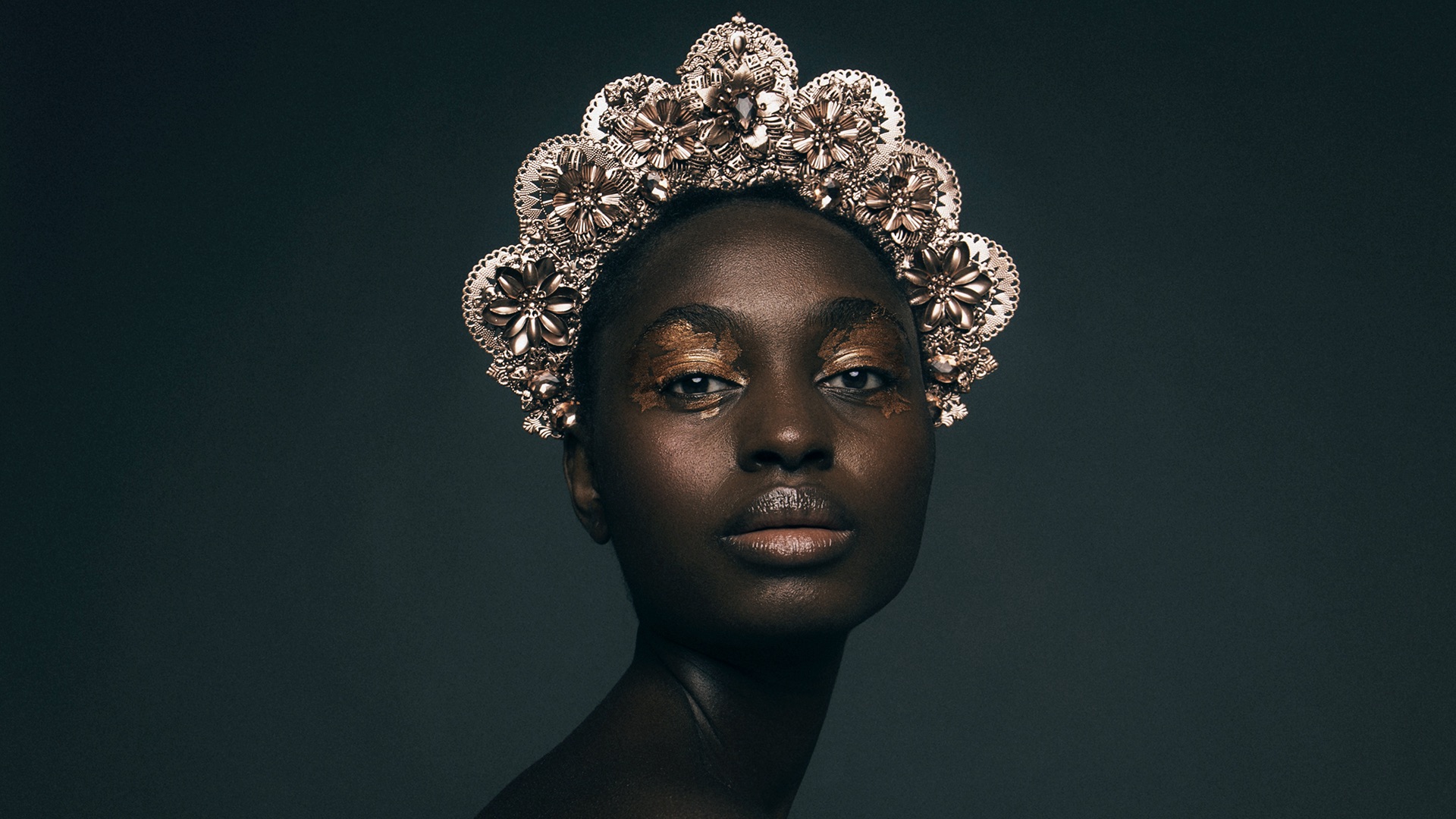
Understanding the Nature of Authenticity
Authenticity in portrait photography is about documenting a person’s inner reality rather than their outer presentation. Many subjects instinctively pose when a camera is pointed at them. Their smile becomes rehearsed, their posture stiffens, and their eyes lose the natural spark that makes an expression feel alive. The photographer’s role is to move past these layers, helping the subject relax into who they truly are in that moment.
Authenticity does not necessarily mean raw emotion or dramatic expression. A quiet sense of contemplation, a fleeting smile, a moment of vulnerability—these are all real, unfiltered glimpses into the human experience. To capture them, a photographer must cultivate patience and the ability to observe without pressure. Sometimes the most profound expressions come after the subject believes the session is over or thinks the photographer is adjusting settings. Being prepared for these transitional moments often leads to portraits that feel more organic than anything staged.
Building Trust Between Photographer and Subject
A portrait session begins long before the first shutter click. It begins with building trust. When the subject feels seen, respected, and safe, their body language softens and their expression becomes more open. Conversations—whether light or profound—can dramatically influence the emotional atmosphere of the session. Some photographers ask about a subject’s passions, daily life, or personal experiences to draw them into a more vulnerable, genuine state. Others rely on shared humor or silence. Every subject responds differently, and part of the photographer’s craft is reading those responses and adapting.
Trust also comes from clarity. When the photographer explains the process, the lighting choices, or the intention behind certain poses, the subject feels more like a collaborator than a model. This transparency can dissolve anxiety, especially for those uncomfortable in front of the camera. When the camera becomes an extension of connection rather than a barrier, authenticity begins to surface naturally.
Creating the Right Environment
The environment in which a portrait is taken plays a significant role in shaping the subject’s emotional openness. Studio settings offer control, but they can also feel sterile or intimidating to some people. A person who feels stiff in a studio might become expressive and lively in a familiar location—perhaps a favorite café, park, or room in their home.
Lighting also contributes to emotional tone. Soft, natural lighting tends to encourage gentler, more introspective expressions, while dramatic lighting can bring out intensity or confidence. Instead of forcing a subject into a lighting style that feels unnatural to them, the photographer should observe what type of light aligns with their personality. A person who radiates warmth may shine brightest in golden-hour sunlight, while someone with a more enigmatic presence might thrive under shadows that enhance their depth.
Environmental comfort leads to emotional comfort. A relaxed atmosphere, peaceful background noises, familiar scents, and even the temperature of the space can influence how freely a subject expresses themselves. Thoughtful attention to these details helps create an environment where authenticity feels possible.

Directing Without Controlling
One of the subtle arts of portrait photography is directing a subject in a way that guides them toward expressive moments without forcing anything artificial. Heavy-handed instruction can cause self-consciousness, but complete silence can leave a subject unsure of how to behave. The balance lies in gentle direction—suggesting actions rather than poses.
For instance, instead of asking someone to “smile,” which often produces a strained expression, the photographer might ask them to think about something that genuinely brings them joy or to recount a moment that made them laugh. When someone reflects on a real memory, their face changes in ways they cannot fake. Similarly, asking someone to look away, take a breath, or shift slightly can create a fluidity of movement, and from that movement, authentic expressions emerge.
Encouraging the subject to be themselves sometimes requires giving them permission to break the unspoken expectations of a photoshoot. Telling them they don’t have to smile, that they can blink, breathe, slouch, or fidget, allows them to return to their natural rhythms. From these relaxed states come the moments that feel truly alive.
The Role of Observation and Patience
A skilled portrait photographer is not only a creator but a watcher. Human expression is ever-changing, and authenticity often appears in micro-moments: the second before a smile, the instant after a laugh, the subtle shift in the eyes when someone becomes lost in thought. These transitions can be more revealing than the expressions themselves.
Patience is crucial. Some subjects open up quickly, while others take time to feel at ease. A photographer who rushes will miss the nuanced, genuine moments that unfold only when the subject forgets the pressure to perform. Sometimes silence is the most powerful tool. When the photographer stops speaking and allows the atmosphere to settle, the subject may drift into their own inner world, offering expressions that feel deeply personal.
Observation also involves understanding nonverbal cues. A subject’s breathing, posture, or the way they hold their hands can signal their emotional state. By tuning in to these subtleties, the photographer knows when to capture a frame or when to wait for a better moment to emerge.
The Influence of the Photographer’s Presence
Every portrait contains not only the subject but also the invisible imprint of the photographer. How the photographer carries themselves—calm, energetic, curious, empathetic—sets the emotional tone for the session. A nervous photographer can transmit tension to the subject, while a grounded photographer can instill confidence and ease.
Presence also means being emotionally attuned. If the photographer approaches the session with genuine interest in the person, the subject feels valued, and their guard lowers. Authentic expression often reflects the authenticity of the person behind the camera.
Sometimes the photographer must become a mirror. When they smile, the subject smiles. When they soften their voice, the subject’s expression softens. This reciprocity can create a rhythm where genuine emotion flows naturally between both sides of the lens.
Capturing Expression Through Timing and Technique
While emotional authenticity is the core, technical skill remains essential for capturing it effectively. Camera settings, lens choice, and composition all influence how expression is conveyed. A wide aperture can isolate the face and bring attention to the eyes, where most emotional transparency resides. A longer focal length can create intimacy without physical intrusion, giving the subject space while still allowing the photographer to capture delicate details.
Timing, however, is everything. Authentic expression often lasts only a fraction of a second. Continuous shooting can help preserve these fleeting moments, but the photographer must also anticipate them. Experience teaches the subtle cues that precede a natural smile, a reflective gaze, or a moment of vulnerability.
Composition adds further layers of meaning. A tight close-up can reveal emotion with intensity, while a wider shot might contextualize the subject within an environment that adds narrative depth. Each choice reinforces what the photographer wants the viewer to feel.

Editing With Integrity
Post-processing is part of modern portrait photography, but editing should enhance authenticity, not distort it. Overly smoothing skin, altering facial features, or changing the natural tone of the expression can strip the portrait of its emotional truth. Subtle adjustments—balancing lighting, enhancing contrast, or fine-tuning color—can bring focus to the expression without diminishing its honesty.
The guiding principle is respect. Editing should honor the subject as they are, not transform them into something they are not. When the emotional reality of the portrait is preserved, the final image resonates more deeply.
Conclusion: The Art of Seeing People
Capturing authentic human expression is not just a photographic technique; it is an act of seeing. It requires empathy, patience, and a willingness to engage with the inner lives of others. When a photographer builds trust, creates a safe environment, observes with care, and respects the individuality of the subject, authenticity emerges naturally.
Portrait photography becomes a collaboration between two people, each bringing their humanity into the moment. The resulting images serve as emotional artifacts—pieces of truth preserved in the quiet dignity of a face. In that authenticity lies the enduring power of portraiture, a timeless reminder that the most compelling stories are written not in words, but in expressions.