The Art of Seeing: How Composition Turns Ordinary Photos into Visual Masterpieces
Introduction: Beyond the Click
Photography, at its core, is not just about capturing what stands before the lens—it’s about how you see it. Two photographers can stand side by side, facing the same scene, yet produce entirely different images. One might take a pleasant snapshot; the other, a visual masterpiece. The secret often lies not in the subject, but in the composition—the deliberate arrangement of elements within the frame that gives the photograph balance, rhythm, and emotional depth.
Composition transforms a simple click into storytelling. It guides the viewer’s eyes, evokes emotions, and reveals hidden beauty in the everyday world. Understanding composition means learning to see not as the camera does, but as an artist does—training the mind to frame meaning, light, and form into a single, cohesive visual statement.
Seeing Versus Looking
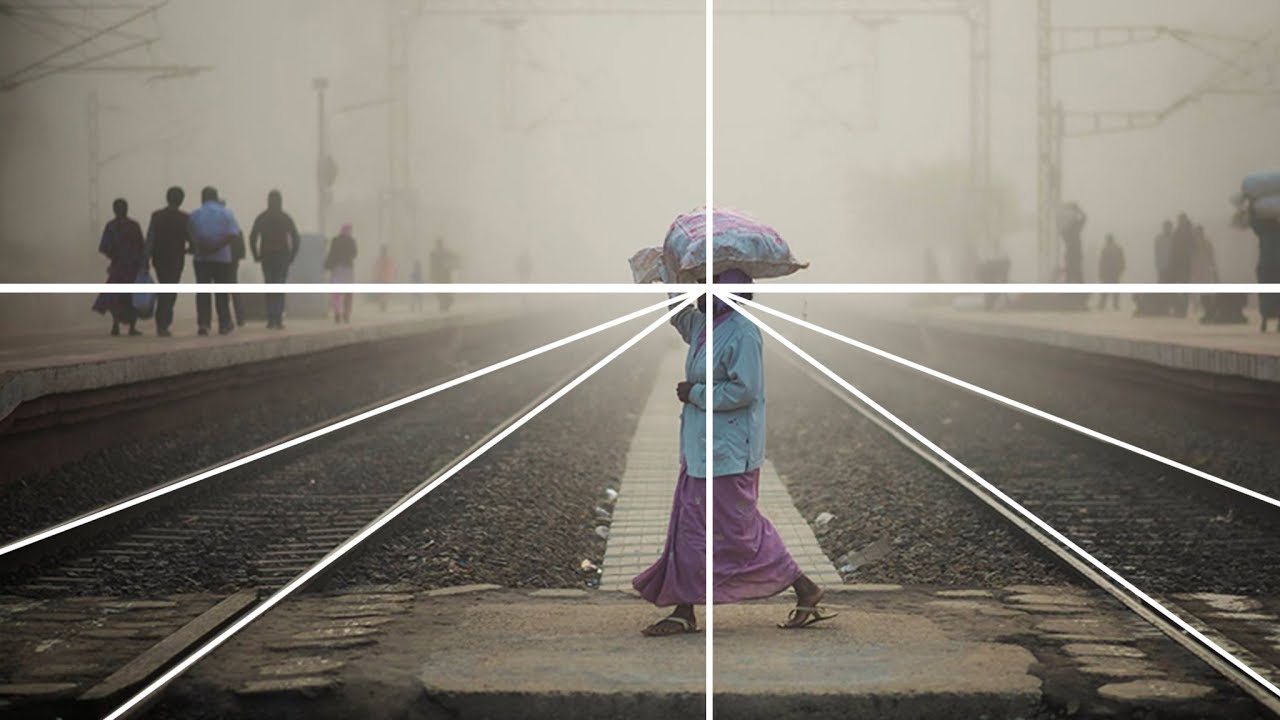
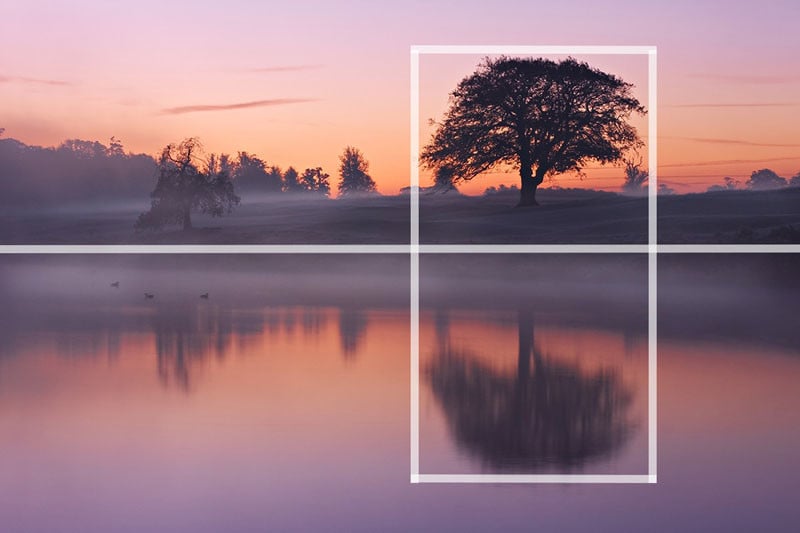
The difference between “looking” and “seeing” is subtle yet profound. Most people look at the world passively, absorbing light and color without much intention. Photographers, however, see. They interpret. They notice the way sunlight strikes a wall, the symmetry in reflections, or the leading line of a road that draws the eye toward infinity.
Seeing in this way requires mindfulness. It’s about slowing down, observing the interplay between light and shadow, and recognizing patterns and relationships that others might overlook. A good composition begins long before the camera is raised; it starts with the photographer’s awareness of how space, geometry, and emotion can coexist within a frame.
Training oneself to see is an ongoing process—an evolution of perception. Many photographers start by imitating rules and formulas, but the truly great ones eventually learn to break them purposefully. Seeing becomes instinctive, a way of thinking visually about the world.
The Foundations of Composition
At its essence, composition is the structure that supports an image. It’s how visual elements—lines, shapes, textures, and colors—interact to create harmony or tension. The most enduring photographs often rely on classical principles of art: balance, contrast, proportion, and movement.
One of the most familiar guidelines is the rule of thirds, where the frame is divided into nine equal parts. Placing key subjects along these lines—or at their intersections—creates dynamic tension and visual interest. But composition goes far beyond this single rule. Leading lines, framing, symmetry, depth, and negative space all contribute to how a viewer experiences an image.
Balance is another key ingredient. It doesn’t mean that elements must be mirrored or evenly distributed, but rather that they feel right in relation to one another. A small subject placed in a vast expanse of empty space can feel balanced because the emptiness itself adds meaning. Similarly, contrast—whether in light, color, or texture—can highlight a focal point or convey mood.
Composition is also about hierarchy. Not every element should compete for attention; the photographer decides what the eye should see first, second, and last. Mastering composition means mastering this silent choreography of the viewer’s gaze.
The Power of Lines and Shapes
Lines are the invisible threads that hold a photograph together. They lead the viewer’s eyes, define structure, and create flow. A winding road, a horizon line, or even the curve of a shadow can establish direction and rhythm. Vertical lines suggest strength and stability; horizontal lines evoke calm and stillness; diagonal lines create energy and movement.
Shapes, on the other hand, provide structure. Triangles, circles, and rectangles appear constantly in nature and architecture, and their repetition or juxtaposition gives images a sense of coherence. The triangular arrangement, for instance, has long been used in art to convey stability and harmony—think of Leonardo da Vinci’s “The Last Supper” or countless portraits that use the same form.
When photographers learn to see these shapes within their environment, they begin to compose intentionally. They can use architecture to frame a subject, capture reflections that double the story, or find patterns that elevate ordinary scenes into visual puzzles for the eye.
Light: The Sculptor of Emotion
If composition is the skeleton of a photograph, light is its soul. Light defines form, texture, and emotion. It can be soft and ethereal, wrapping gently around a subject, or harsh and dramatic, carving sharp contrasts into the frame.
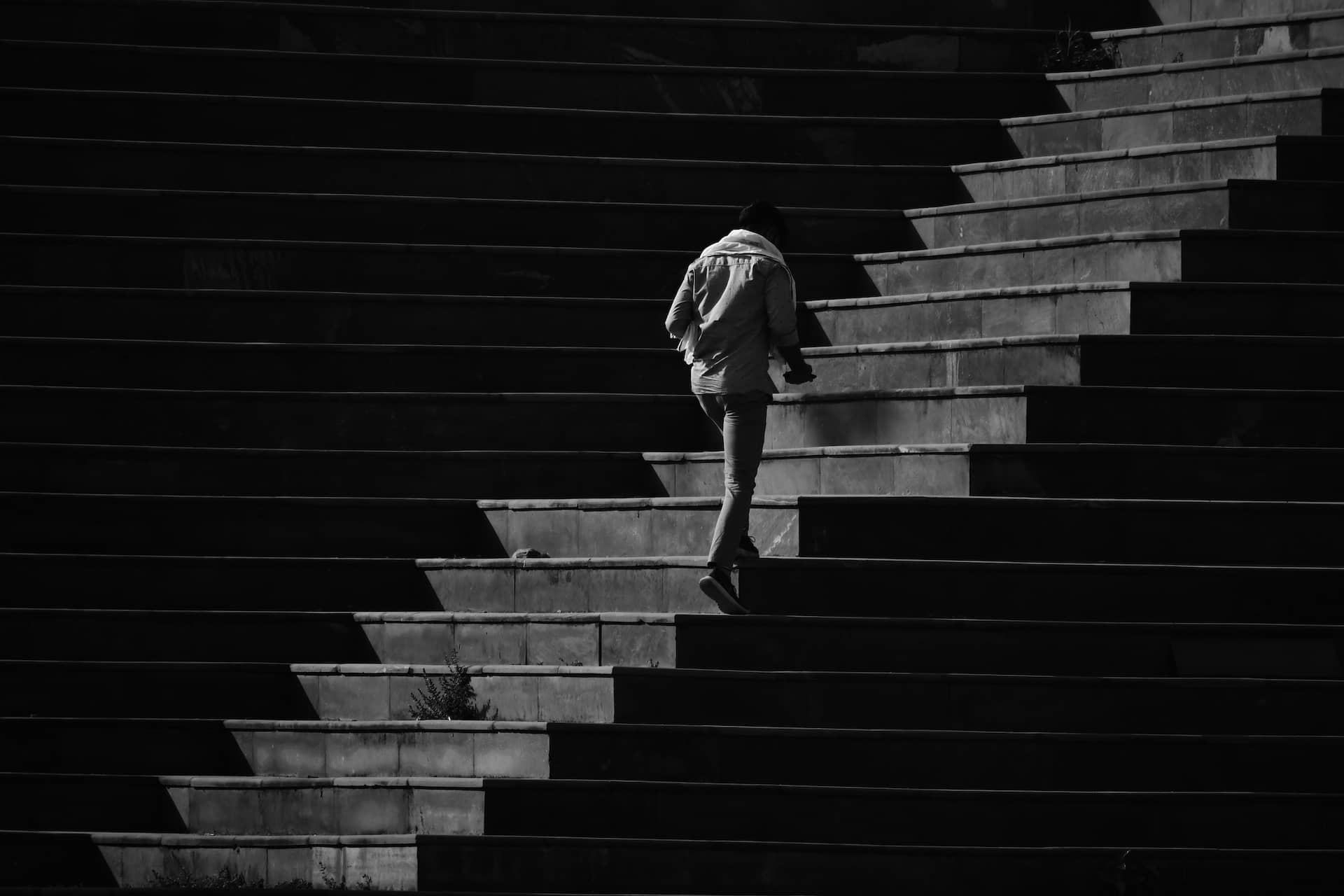
Understanding light means understanding how it interacts with composition. Side light emphasizes texture and depth; backlight creates silhouettes that simplify shapes; diffused light softens edges and reveals subtleties in tone. The direction, color, and quality of light can alter not just the aesthetics of an image, but its emotional message.
Consider the difference between a street photographed at noon versus at sunset. At noon, the light is flat and harsh, reducing depth. At sunset, the same street glows with warmth, the shadows lengthen, and the composition gains layers and mood.
Negative Space and the Beauty of Restraint
In composition, what you leave out is often as powerful as what you include. Negative space—the empty areas around or between subjects—serves as visual breathing room. It can isolate the main subject, convey loneliness, or highlight scale.
Minimalist photographers often use negative space to evoke calm and focus. A single tree in a vast snowfield or a lone bird against an empty sky becomes striking because of the contrast between subject and emptiness. The viewer’s imagination fills in the blanks, engaging emotionally with the image.
Restraint is a form of mastery. Many novice photographers clutter their frames with too many details, fearing emptiness. But minimalism teaches that simplicity can reveal the essence of beauty. The art of seeing lies in knowing when to stop adding—and when to let silence speak visually.
Perspective and Depth: Inviting the Viewer In
Composition also dictates how a photograph feels in space. A good image doesn’t just depict—it immerses. Perspective and depth invite the viewer to step inside the frame, to feel as though they are part of the scene.
Foreground elements can anchor a composition and add dimension, leading the eye toward the middle and background. A wide-angle lens exaggerates perspective, making the viewer feel close to the subject, while a telephoto lens compresses space, creating intimacy or abstraction.
Angles matter, too. Shooting from above can make subjects appear small and vulnerable; shooting from below gives them power and presence. Changing one’s position—kneeling, climbing, or moving laterally—can entirely transform how lines and relationships within the frame appear.
The Human Element: Emotion and Storytelling
Even the most technically perfect composition falls flat without emotion. What elevates a photo from well-arranged to unforgettable is its ability to make the viewer feel. Composition helps achieve this by guiding the emotional rhythm of an image.
A tightly cropped portrait emphasizes intimacy. A wide, centered frame showing a lone figure in a vast landscape communicates solitude. The direction of a gaze, the framing of hands, or the diagonal of movement—all these compositional choices tell stories beyond words.
Breaking the Rules: When Composition Becomes Art
Every composition rule—from the rule of thirds to symmetry—is a tool, not a commandment. The true artist knows when to follow and when to defy them.
Breaking compositional conventions deliberately can provoke tension or surprise. Centering a subject, tilting the horizon, or using unconventional framing can create impact if done with purpose. The difference between a mistake and mastery lies in intention.
Iconic photographers like Henri Cartier-Bresson, Vivian Maier, and Daido Moriyama often ignored traditional guidelines to capture raw emotion or spontaneity. Their images are not defined by perfect geometry, but by perfect feeling. Composition, in their hands, becomes a living, evolving form—something expressive rather than formulaic.
To break the rules effectively, one must first understand them deeply. As in music or writing, structure provides the foundation upon which creativity can play freely. The art of seeing matures when composition becomes instinct—when the photographer composes not consciously but intuitively.
Composition in the Digital Age
In today’s world, where billions of photos are taken every day, composition remains the defining factor that separates the ordinary from the exceptional. Cameras have become smarter, editing tools more powerful, yet no algorithm can replicate the human eye’s ability to find meaning in form.
The digital age also offers new possibilities—cropping, layering, and experimenting with aspect ratios that were once limited by film. Yet these tools should enhance, not replace, the photographer’s original vision. Post-processing cannot fix a weak composition; it can only refine what was already there.
Conclusion: Learning to See Anew
Composition is not a formula to memorize but a way of perceiving the world. It transforms the ordinary into the extraordinary by revealing structure, balance, and emotion hidden in plain sight. The art of seeing is both a skill and a philosophy—an invitation to engage more deeply with the visual world.
Every photograph becomes a reflection of how the photographer experiences reality. Through composition, they translate their vision into something universal. Whether it’s the symmetry of a building, the fleeting dance of light, or the quiet grace of an empty space, the camera becomes a tool not for capturing images, but for capturing ways of seeing.