The Invisible Subject: Photographing Absence, Silence, and Negative Space
Photography has long been understood as a medium of presence. A camera points, a shutter opens, and something that exists in front of the lens is fixed in time. Faces, landscapes, decisive moments—these have traditionally defined what a photograph is supposed to contain. Yet some of the most powerful images ever made revolve around what is missing rather than what is shown. Absence, silence, and negative space challenge the assumption that photography must document visible subjects. Instead, they invite viewers to confront emptiness, implication, and the unseen forces that shape human experience.
This approach to photography does not merely simplify compositions or follow minimalist aesthetics. It operates on a deeper conceptual level, using emptiness as content rather than as a lack of content. In photographing absence, the photographer asks the viewer to slow down, to imagine, and to engage with meaning that exists beyond the frame.
Absence as Presence
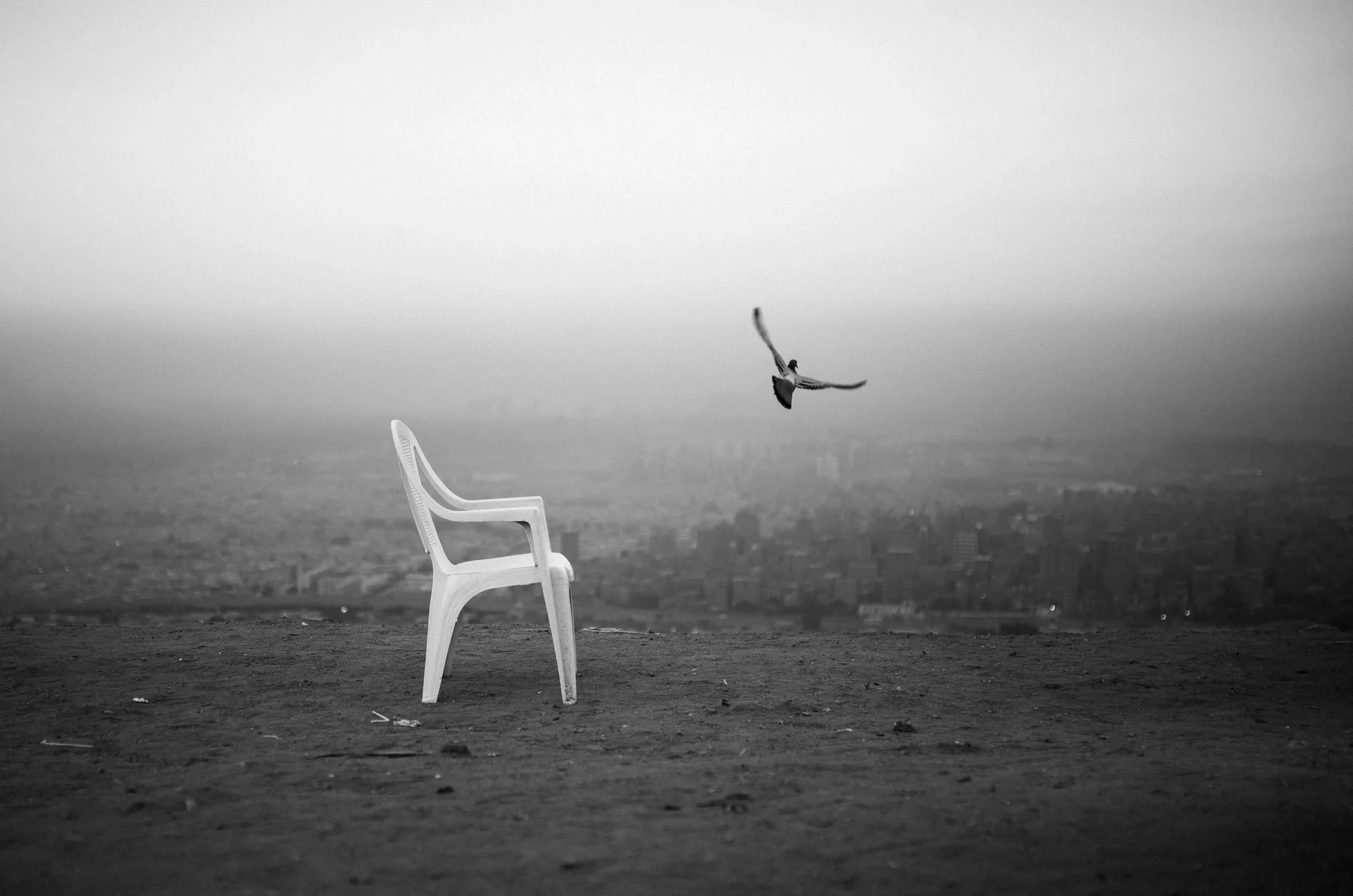
Absence in photography is rarely neutral. An empty chair suggests a recent departure or a permanent loss. A deserted street hints at social disruption, danger, or abandonment. When something expected is missing, the photograph becomes charged with narrative tension. The viewer instinctively tries to fill the gap, projecting memory, emotion, or story into the void.
This phenomenon reveals an important truth about visual perception: absence can be more expressive than presence. A crowded scene explains itself. An empty one asks questions. Photographers who work with absence understand that the mind resists emptiness and will actively search for meaning. In this sense, the invisible subject becomes collaborative. The image does not complete itself until the viewer participates.
Historically, absence has been used in photography to powerful effect in post-conflict documentation, memorial imagery, and conceptual art. Empty rooms after political purges, landscapes after natural disasters, or abandoned personal belongings can communicate trauma without showing a single human figure. The absence itself becomes testimony.
Silence in a Visual Medium
Silence may seem like a contradiction in photography, which is already a silent medium. Yet viewers often describe certain images as “quiet” or “loud.” This language reveals how photographs can evoke sensory experiences beyond sight. Visual silence is achieved when an image reduces visual noise, limits distractions, and creates a sense of stillness or suspension.
Photographs that convey silence often feature sparse compositions, soft tonal ranges, or static subjects. They resist immediacy and spectacle. Instead of demanding attention, they invite contemplation. Silence in photography is not emptiness for its own sake but a deliberate slowing down of visual rhythm.
This quiet quality can feel unsettling in a culture saturated with images competing for attention. Silent photographs refuse to entertain quickly. They ask for patience. In doing so, they mirror forms of silence in human life: moments of grief, waiting, meditation, or isolation. The absence of action becomes the subject.
The Power of Negative Space
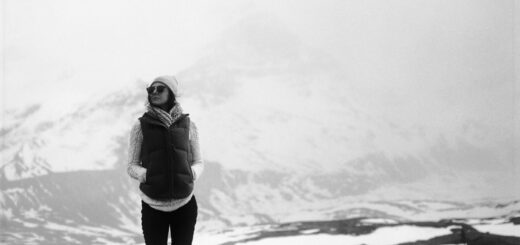
Negative space is often taught as a compositional tool, a way to isolate a subject or balance an image. In the context of photographing absence, negative space becomes more than technique. It becomes the subject itself. Large areas of emptiness can dominate a frame, dwarfing whatever small element remains or eliminating the subject altogether.
When negative space is used assertively, it shifts the viewer’s attention away from objects and toward relationships: between scale and isolation, between presence and void. A lone figure surrounded by vast emptiness can evoke vulnerability or insignificance. A completely empty frame with subtle tonal variation can feel meditative or oppressive, depending on context.
Photographers working with negative space often rely on restraint. The temptation to “add something” must be resisted. The success of the image depends on trusting that emptiness will carry meaning. This requires confidence not only in composition but in the viewer’s capacity to engage with ambiguity.
Psychological Responses to Emptiness
Human beings are uncomfortable with emptiness. Psychologically, we seek patterns, explanations, and narratives. When confronted with an image that offers none explicitly, we instinctively try to supply them. This is why photographs of absence can feel deeply personal. Each viewer brings their own experiences into the void.
An empty childhood bedroom may evoke nostalgia for one person and grief for another. A photograph of fog swallowing a landscape can feel peaceful or terrifying depending on individual associations. The photographer relinquishes control over interpretation, allowing the image to function as a mirror rather than a message.
This open-endedness is both a strength and a risk. Images of absence can be dismissed as vague or emotionally inaccessible if they lack intentionality. The challenge lies in creating photographs that are open without being empty of purpose. Subtle cues—light, texture, framing, or context—guide the viewer without dictating meaning.

Cultural and Historical Uses of Absence
Across photographic history, absence has been used to reflect broader cultural anxieties. In the aftermath of wars, photographers have often chosen to depict empty battlefields, ruined cities, or abandoned objects rather than graphic violence. These images suggest loss without spectacle, allowing space for reflection rather than shock.
In conceptual photography, absence became central in the late twentieth century as artists questioned representation itself. Empty galleries, blank surfaces, and erased figures challenged the idea that photography must show something recognizable. These works asked whether meaning resided in the image or in the act of looking.
Contemporary photographers continue this tradition in response to digital overload. In an era where billions of images circulate daily, photographs that show “nothing” can feel radical. They resist consumption and remind viewers that not everything needs to be visible to be real.
Technical Choices That Support the Invisible
Photographing absence is not accidental. Technical decisions play a crucial role in shaping how emptiness is perceived. Exposure, focal length, depth of field, and color palette all influence whether an image feels intentional or simply unfinished.
Long exposures can erase movement, turning busy spaces into empty ones. A crowded square photographed over several minutes may appear deserted, transforming presence into absence through time. Wide apertures can isolate small details within large voids, while deep focus can emphasize vast emptiness.
Color, or the lack of it, also matters. Muted tones, monochrome palettes, or subtle gradients can reinforce silence and restraint. High contrast may introduce drama, while low contrast can create softness and ambiguity. The photographer uses these tools not to highlight subjects but to sculpt absence.
Ethical Dimensions of the Unseen
Photographing absence raises ethical questions, particularly in documentary contexts. When people are removed from the frame, are their stories being honored or erased? An empty home may suggest displacement, but it can also anonymize suffering if context is stripped away.
Responsible photographers working with absence often pair images with careful framing, sequencing, or accompanying text to avoid abstraction that distances viewers from real human consequences. The goal is not to aestheticize emptiness but to acknowledge what or who is missing.
At the same time, absence can protect dignity. Choosing not to show faces, bodies, or moments of extreme vulnerability can be an ethical decision. Silence can be respectful. The invisible subject, in this sense, becomes a form of restraint rather than avoidance.
Learning to See What Isn’t There
Developing an eye for absence requires unlearning certain habits. Many photographers are trained to seek subjects, action, and visual interest. To photograph absence, one must become comfortable with waiting, observing, and accepting that the most meaningful image may appear uneventful at first glance.
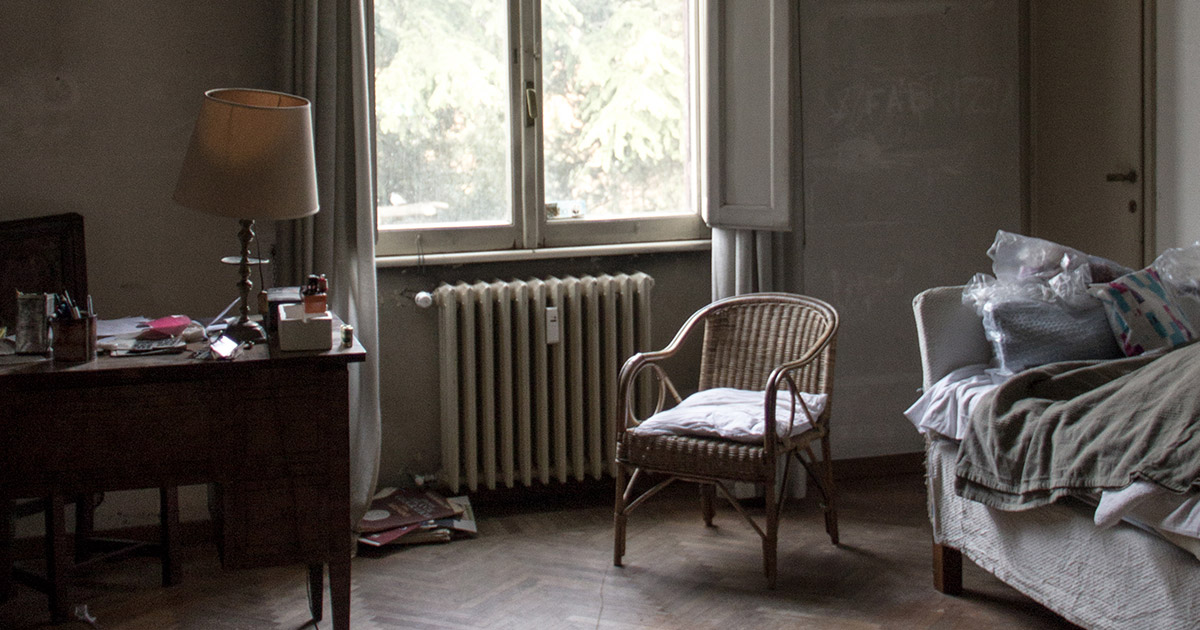
This practice sharpens awareness. Empty spaces are rarely truly empty. Light shifts, textures emerge, and subtle traces of human presence linger. A worn floor, a discarded object, or a shadow can suggest stories without illustrating them directly.
Photographing absence also cultivates patience. The photographer must trust intuition over instant validation. These images often reveal their power slowly, even to the person who made them.
Why Absence Matters Now
In a world defined by constant visibility, photographing absence becomes an act of resistance. Social media rewards immediacy, clarity, and spectacle. Images are expected to explain themselves instantly. Photographs of silence refuse this demand. They ask viewers to pause, reflect, and feel rather than react.
Absence also resonates with contemporary experiences of isolation, disconnection, and uncertainty. Empty offices, silent streets, and suspended routines have become familiar realities. Photography that acknowledges these spaces validates emotions that are difficult to articulate.
By focusing on what is missing, photographers remind us that meaning is not always located in objects or events. Sometimes it exists in the spaces between them.
Conclusion: Making Space for the Invisible
Photographing absence, silence, and negative space expands the language of photography. It challenges the assumption that visibility equals significance and invites a more introspective relationship with images. The invisible subject is not a failure to capture reality but a deliberate engagement with its subtler dimensions.
These photographs do not shout. They whisper. They leave room for memory, imagination, and emotion to enter the frame. In doing so, they restore photography’s capacity for depth in an age of excess.