Fine Art Photography: Where Technique Ends and Interpretation Begins
The Elusive Definition of Fine Art Photography
Fine art photography occupies a peculiar and often contested space within the broader photographic world. Unlike commercial, journalistic, or documentary photography, its primary goal is not to inform, advertise, or record reality as objectively as possible. Instead, fine art photography seeks to express an idea, emotion, or perspective that originates in the photographer’s inner world. The image becomes less a mirror of the external environment and more a translation of personal vision. This shift in purpose fundamentally changes how photographs are conceived, executed, and ultimately interpreted.
Yet the term itself resists rigid definition. Fine art photography is not defined by subject matter alone, nor by the tools used, nor even by aesthetic style. A photograph of a landscape, a portrait, or an abstract form can all belong to this category if the intent is expressive rather than purely functional. What distinguishes fine art photography is the moment when technical mastery no longer serves as the destination but becomes the means through which interpretation takes shape.
Technique as the Foundation, Not the Destination
Every fine art photograph rests upon a bedrock of technical competence. Mastery of exposure, composition, focus, lighting, and post-processing provides the language through which visual ideas are communicated. Without this foundation, intention often fails to materialize in a coherent or compelling way. A poorly exposed image or an unintentionally chaotic composition can distract from meaning rather than enhance it.
However, technique alone does not create fine art. Technical perfection is neutral; it is a tool, not a voice. In many cases, images that are technically flawless but conceptually empty feel lifeless. Conversely, photographs that bend or even violate technical conventions can resonate deeply when those choices align with the photographer’s intent. Grain, blur, unconventional framing, or dramatic tonal shifts may be employed not as errors but as deliberate expressive devices.
This is where the transition begins. When the photographer no longer asks only whether an image is “correct,” but whether it is “true” to the idea or emotion they wish to convey, technique steps into a supporting role. The camera becomes less a measuring instrument and more a brush.
The Photographer’s Intent as the Invisible Hand
Intent is the invisible force shaping fine art photography. It determines what is included in the frame, what is excluded, and how the final image is rendered. Two photographers can stand in the same location, using similar equipment, and produce radically different photographs because their intentions differ. One may be drawn to the serenity of the scene, emphasizing balance and harmony, while another may focus on tension, isolation, or decay.
In fine art photography, the act of seeing precedes the act of capturing. The photographer is not merely responding to what is visible but to what is felt or imagined. This internal dialogue guides decisions long before the shutter is pressed. Lighting choices, color palettes, and compositional structures become extensions of thought rather than neutral observations.
Importantly, intent does not require the viewer to fully understand the photographer’s original idea. It simply needs to be strong enough to imbue the image with coherence and purpose. A photograph with clear intent often invites interpretation precisely because it feels deliberate, even when its meaning remains ambiguous.
Interpretation and the Role of the Viewer
The moment a photograph leaves the photographer’s hands, interpretation begins. Fine art photography thrives in this space between intention and perception. Unlike instructional or documentary images, which aim for clarity and consensus, fine art images welcome multiplicity. Different viewers may see different stories, emotions, or symbols within the same frame, shaped by their own experiences and cultural contexts.
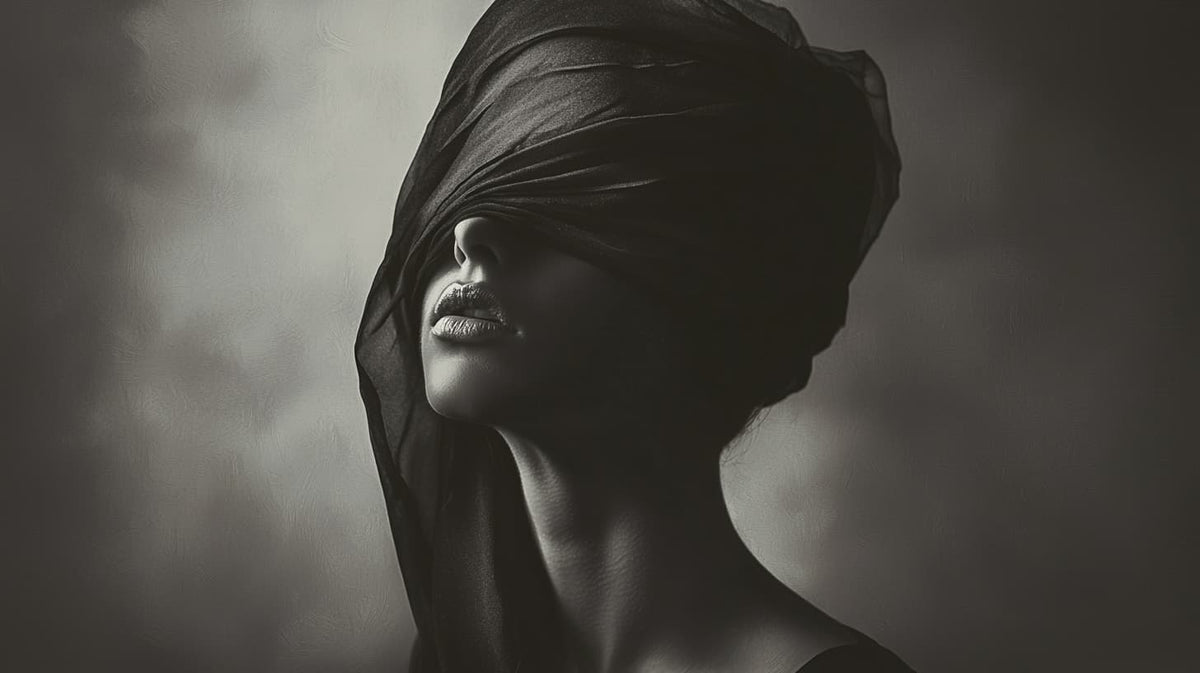
This openness is not a weakness but a defining strength. A fine art photograph does not dictate meaning; it suggests it. Shadows may evoke mystery for one viewer and melancholy for another. A blurred figure might suggest motion, memory, or loss, depending on who is looking. The photograph becomes a meeting point between the photographer’s vision and the viewer’s inner world.
In this sense, interpretation completes the artwork. Without a viewer willing to engage, question, and feel, the image remains dormant. Fine art photography exists not only as an object but as an experience that unfolds differently with each encounter.
Breaking Rules to Reveal Truth
Photography education often emphasizes rules: the rule of thirds, leading lines, proper exposure, and sharp focus. These principles are valuable, especially in developing visual literacy. Yet fine art photography frequently emerges when these rules are bent or abandoned altogether. What matters is not adherence to convention but coherence of expression.
A tilted horizon might create unease, a blown highlight might symbolize erasure, and extreme contrast might heighten emotional intensity. These choices can appear “wrong” from a purely technical standpoint, yet feel entirely right within the context of the image’s intent. Fine art photography asks not whether a rule was followed, but whether breaking it serves a purpose.
This willingness to depart from convention requires confidence and clarity of vision. It also requires an understanding of the rules being broken. In fine art, rebellion without awareness risks becoming gimmickry. When deviation is informed and intentional, it becomes a powerful expressive tool.
Conceptual Thinking and Visual Metaphor
Many fine art photographers approach their work conceptually, using images to explore abstract ideas such as identity, time, memory, or alienation. In these cases, the photograph functions as a visual metaphor rather than a literal depiction. Objects, locations, and figures are chosen not only for their appearance but for their symbolic resonance.
A solitary tree in a barren landscape might represent endurance or isolation. Reflections in glass may suggest fractured identity. Long exposures can blur the boundary between presence and absence. These images ask viewers to read beyond the surface, engaging intellectually as well as emotionally.
Conceptual fine art photography often challenges the assumption that photographs must be straightforward representations of reality. Instead, it embraces ambiguity and layered meaning, encouraging viewers to slow down and contemplate what lies beneath the visible.

The Emotional Core of Fine Art Images
At its most compelling, fine art photography connects on an emotional level. Technical excellence may draw initial attention, but emotional resonance sustains interest. This connection can be subtle or intense, comforting or unsettling, but it is rarely accidental. Emotion arises from the alignment of subject, technique, and intent into a cohesive whole.
Light plays a crucial role in shaping emotional tone. Soft, diffused light can evoke intimacy or nostalgia, while harsh, directional light may create drama or unease. Color choices also influence mood, whether through muted palettes that suggest quiet reflection or saturated tones that convey intensity.
Ultimately, emotion is where interpretation becomes personal. Viewers may not articulate why an image moves them, but they feel its impact. In that moment, the photograph transcends technique and becomes an experience.
The Balance Between Control and Serendipity
Fine art photography often involves a delicate balance between control and openness to chance. While intent guides the process, unexpected elements can introduce depth and authenticity. A shift in weather, an unplanned gesture, or an unforeseen interaction of light and shadow can transform an image in ways the photographer could not have scripted.
Rather than resisting these moments, many fine art photographers embrace them. Serendipity can add layers of meaning that feel organic rather than constructed. The key lies in recognizing when an accident aligns with the underlying vision and allowing it to remain.
This balance underscores the interpretive nature of the medium. The photographer interprets reality through the camera, and reality, in turn, responds in unpredictable ways. The resulting image becomes a collaboration between intention and chance.
Fine Art Photography in the Contemporary World
In an age saturated with images, fine art photography offers a counterpoint to the rapid consumption of visual content. It invites slower looking and deeper engagement. While social media platforms prioritize immediacy and volume, fine art photography values contemplation and depth.
Digital tools have expanded creative possibilities, blurring the boundaries between photography and other visual arts. Manipulation, compositing, and experimental processes are now widely accepted within fine art contexts, further emphasizing interpretation over strict realism. What matters is not whether an image reflects an unaltered moment, but whether it communicates something meaningful.

Conclusion: Where the Image Truly Begins
Fine art photography begins where technique ends, not because technique loses importance, but because it becomes invisible. When technical choices seamlessly support expression, the photograph opens itself to interpretation. It becomes a space where intention, emotion, and perception intersect.
In this space, the photographer is no longer merely a technician, and the viewer is no longer passive. Both participate in the creation of meaning. The image lives not only on paper or screen but in the dialogue it sparks and the feelings it evokes.
Ultimately, fine art photography reminds us that seeing is not a neutral act. Every photograph is an interpretation, shaped by choices both conscious and intuitive. Where technique provides structure, interpretation provides soul, and it is in this union that fine art photography finds its enduring power.