Editing as Storytelling: How Post-Processing Redefines the Final Image
Introduction: Editing as the Silent Storyteller
Photography is often perceived as an act of observation, a decisive moment where timing, light, and composition align. Yet the shutter click does not complete the story. What follows, often unseen by the viewer, is the stage where meaning is refined and intention becomes clear. Editing is not a secondary or corrective process but a narrative act that transforms raw visual information into a coherent story. Through post-processing, photographers decide not only how an image looks, but how it feels and what it ultimately communicates.
In the digital era, every photograph undergoes some level of editing, whether minimal or extensive. This reality challenges the notion of photography as a purely objective medium. Editing acknowledges that photographs are interpretations rather than mirrors of reality. It is within this interpretive space that storytelling emerges, redefining the final image as an authored narrative rather than a neutral record.

The Illusion of Objectivity in Photography
The belief that a photograph represents an unfiltered truth is deeply ingrained, yet fundamentally flawed. Long before editing begins, a series of subjective decisions have already shaped the image. Lens selection alters perspective, exposure settings influence mood, and framing excludes as much as it includes. Even the camera sensor interprets light in a way that differs from human vision, flattening dynamic range and misrepresenting color relationships.
A raw file, often considered the purest form of a photograph, is not a finished image but a collection of data awaiting interpretation. It lacks contrast, depth, and emotional clarity. Editing bridges the gap between what the camera captures and what the photographer experienced. Rather than distorting reality, post-processing translates it, acknowledging that reality itself is perceived through emotion, memory, and context.
Editing as Emotional Interpretation
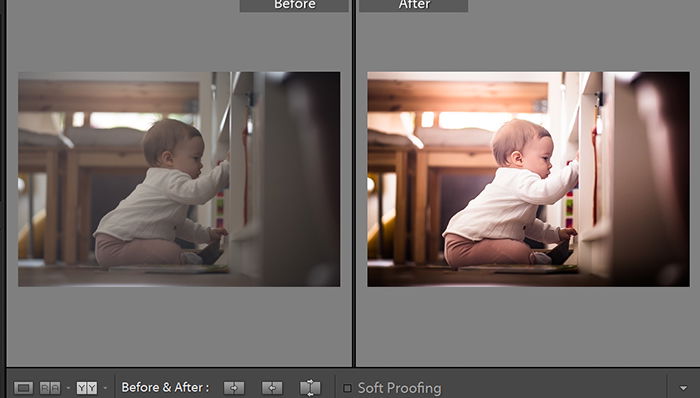
At its core, storytelling in photography is about emotion. Editing plays a central role in shaping how viewers feel when they encounter an image. Adjustments to brightness, contrast, and tonal balance can transform an ordinary scene into something evocative and resonant. A softly edited image with gentle transitions may convey calm or nostalgia, while stark contrast and deep shadows introduce tension or unease.
Through editing, photographers emphasize emotional intent. A dimly lit room can be made warmer and more intimate, or colder and more isolating, depending on how tones are handled. These decisions are not arbitrary; they reflect the story the photographer wishes to tell. Editing allows emotion to move from the photographer’s experience into the viewer’s perception, completing the communicative loop.
Sculpting Light and Shadow
Light is the primary narrative tool in photography, and editing is where it is shaped most precisely. By controlling highlights and shadows, photographers guide attention and establish visual hierarchy. This process mirrors techniques used in cinema and painting, where light directs focus and reinforces meaning.
Darkening the edges of a frame can draw the viewer inward, creating intimacy or isolation. Brightening a subject separates it from its surroundings, assigning importance. Shadows can conceal details, inviting mystery, while highlights can reveal texture and form. These manipulations do not merely enhance aesthetics; they structure the story within the frame, determining how the image is read and understood.
Color as a Narrative Element
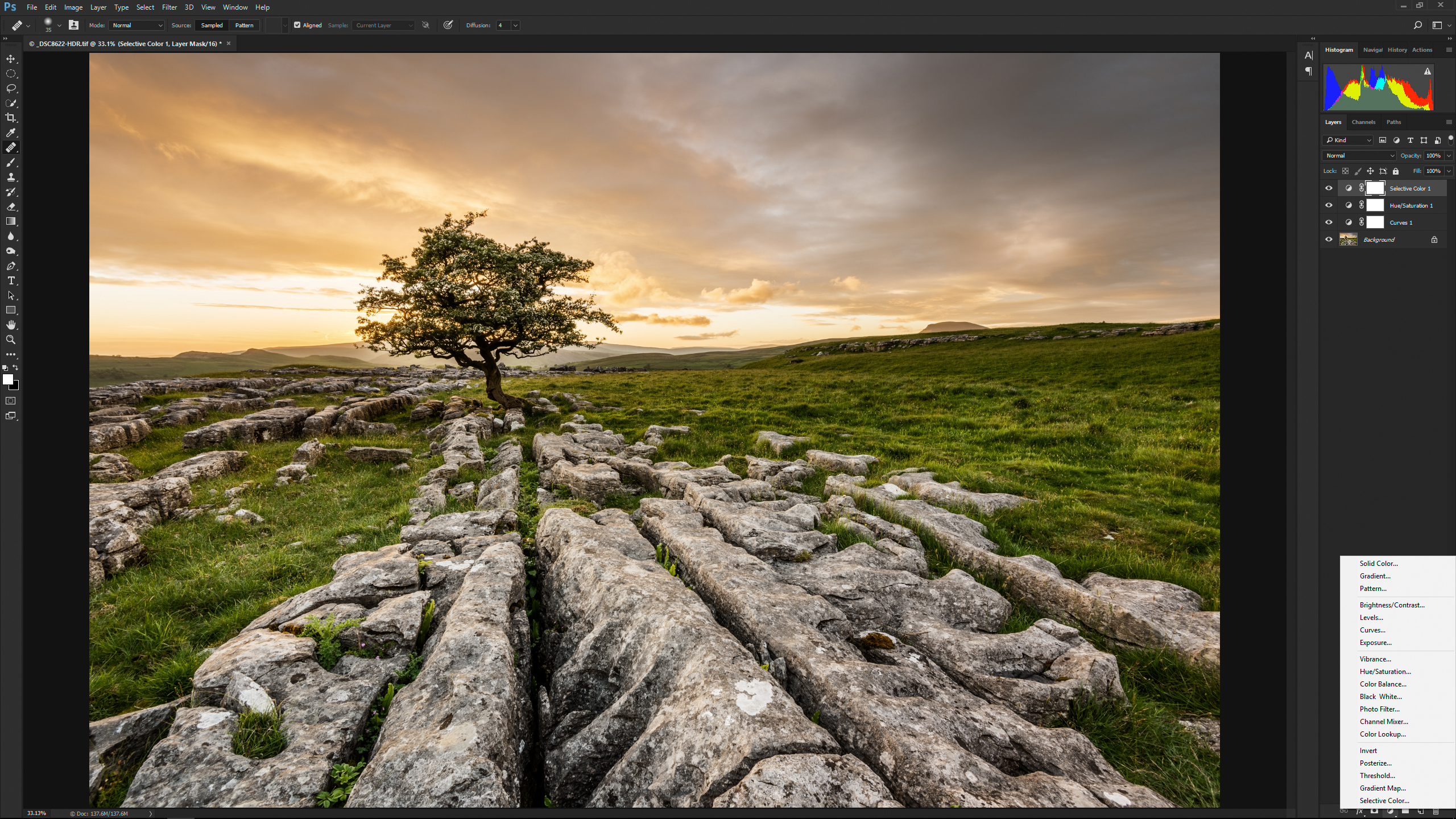
Color is one of the most powerful emotional cues in visual storytelling. Through editing, photographers can subtly or dramatically alter color relationships to influence mood. Warm tones often suggest comfort, romance, or memory, while cool tones imply distance, sadness, or detachment. Muted palettes can evoke timelessness, while vibrant colors suggest immediacy and energy.
Post-processing allows photographers to align color with narrative intent. A landscape bathed in warm hues may feel welcoming and expansive, while the same scene rendered in cooler tones may feel lonely or vast. These choices shape emotional interpretation before the viewer consciously engages with the subject matter. Color grading, therefore, becomes a form of visual narration, setting the emotional context of the story.
Cropping and Reframing the Story
Editing extends composition beyond the moment of capture. Cropping is one of the most direct ways editing reshapes narrative. By removing elements, photographers simplify stories, eliminate distractions, or shift emphasis. A wide scene cropped tightly around a single figure becomes personal and intimate, while retaining space around the subject emphasizes environment and scale.
Reframing can also change the temporal feeling of an image. Tight compositions often feel immediate and intense, while wider frames invite reflection. Through cropping, photographers refine their original intent, sometimes discovering a stronger story hidden within the image. Editing, in this sense, becomes an act of reinterpretation rather than correction.
Retouching, Ethics, and Visual Truth
The relationship between editing and authenticity is complex and often contentious. While editing is inherent to photography, its ethical implications vary by context. In documentary and journalistic photography, editing must preserve factual integrity, avoiding alterations that mislead or distort meaning. In these cases, storytelling is guided by responsibility as much as creativity.
In artistic, fashion, and conceptual photography, retouching often serves symbolic purposes. Smoothing skin, altering textures, or exaggerating light creates idealized or expressive representations rather than literal ones. These images tell stories about identity, aspiration, or imagination. Authenticity, in this context, lies not in visual accuracy but in honest expression. Editing becomes a language through which ideas are explored rather than concealed.
Developing a Visual Voice Through Editing
Over time, consistent editing choices form a recognizable style. This visual consistency functions as a narrative voice, unifying a body of work and establishing identity. Preferences for contrast, color balance, and tonal depth are rarely accidental; they reflect recurring themes and emotional interests.
Just as writers develop distinctive tones and rhythms, photographers refine editing approaches that align with their storytelling goals. A restrained editing style may convey clarity and contemplation, while a dramatic approach may emphasize intensity and emotion. Editing becomes the connective tissue between images, transforming individual photographs into chapters of a larger visual narrative.
Guiding the Viewer’s Experience
Editing shapes not only what viewers see, but how they see it. Visual flow, created through tonal contrast and compositional balance, determines how the eye moves through an image. Effective editing guides attention naturally, allowing the story to unfold without confusion.
Poorly considered editing can disrupt this process, drawing attention to technique rather than meaning. Overprocessing may overwhelm viewers, while underprocessing may leave stories unclear. Storytelling through editing requires sensitivity to perception, ensuring that adjustments serve the narrative rather than dominate it. The goal is not to impress with technique, but to communicate with clarity.
Technology, Automation, and Creative Responsibility
Modern editing tools, including artificial intelligence, have expanded creative possibilities dramatically. Automated adjustments can correct exposure, enhance detail, and suggest stylistic changes in seconds. While these tools increase efficiency, they do not replace narrative judgment.
Technology can assist, but it cannot decide meaning. The photographer remains responsible for shaping the story. As editing becomes more accessible, intentionality becomes more important. The ease of manipulation demands restraint, clarity, and purpose. Editing as storytelling requires conscious decision-making, regardless of how advanced the tools become.
Conclusion: Editing as the Completion of the Story
Editing is not an optional enhancement or a technical afterthought; it is the final stage of photographic storytelling. It is where vision becomes voice, where emotion is clarified, and where meaning is defined. Through light, color, tone, and composition, post-processing transforms captured moments into narratives that resonate beyond their visual content.
Rather than diminishing authenticity, editing acknowledges the subjective nature of seeing. It accepts that photography is not about reproducing reality, but about interpreting experience. When approached with intention and integrity, editing becomes an extension of perception itself. The photograph is not finished when the shutter closes, but when editing gives the image its final, expressive form.